
How Real-World Experiences Deepen Learning and Build Independence
Think back to your own childhood. What learning experiences do you remember most vividly? Chances are, they weren’t the worksheets you completed or the facts you memorized. They were the moments when you explored something new, solved a real problem, worked alongside others, or discovered something for yourself.
These are the experiences that make learning meaningful, and they are at the heart of experiential education.
Experiential learning is rooted in a simple but powerful idea: children learn best when they actively engage with the world around them. Rather than simply receiving information, students have opportunities to explore, experiment, ask questions, make mistakes, reflect, and apply what they have learned.
At Golda Meir Lower School, we believe that meaningful education extends far beyond the classroom walls. Academic excellence remains a priority, but equally important is helping students develop the confidence, curiosity, resilience, and independence they need to thrive.
Bringing Learning to Life
When students experience what they are learning, abstract concepts become tangible and memorable.
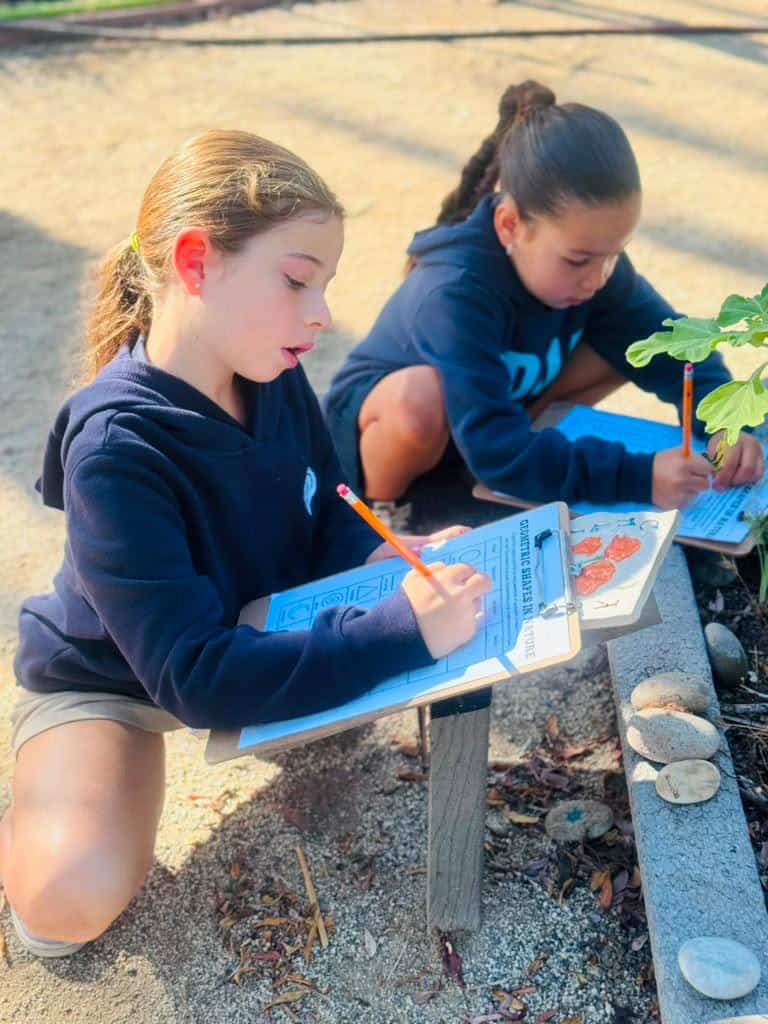
In our garden class, students explore geometry by identifying shapes, measuring angles, and discovering mathematical patterns in nature. Science becomes an unforgettable adventure when students dissect squid or examine chicken feet, gaining a firsthand understanding of anatomy and the natural world. Our Jewish holidays come alive through cooking as students prepare traditional foods, explore their cultural significance, and connect with Jewish traditions through their senses.
These hands-on experiences transform lessons into meaningful discoveries. Students aren’t simply learning about concepts; they are experiencing them, asking questions, and making connections across subjects.
Experiential learning also encourages deeper thinking. Instead of asking only, “What is the correct answer?” students begin asking, “Why does this happen?” “What could I do differently?” and “How can I use what I’ve learned?”
Building Independence Through Experience
One of the greatest benefits of experiential learning is the opportunity for children to develop independence.
When students take responsibility for a project, collaborate with classmates, or navigate an unfamiliar situation, they practice essential life skills. They learn to make decisions, manage challenges, communicate their ideas, and persevere when something doesn’t go as planned.
Importantly, experiential learning creates a safe environment for productive mistakes. Children discover that not every attempt will be successful and that setbacks are opportunities to learn, adjust, and try again.
As educators, our role is not always to provide immediate answers. Sometimes, the most valuable thing we can do is step back, ask thoughtful questions, and give students the space to discover their own solutions.
Learning Beyond Academics
Experiential learning also strengthens social-emotional development and character.
Through community service, collaborative projects, leadership opportunities, field trips, and hands-on activities, students develop empathy, responsibility, flexibility, and respect for different perspectives.
In a Jewish day school, these experiences also provide meaningful opportunities to put our values into action. Concepts such as tikkun olam (repairing the world), chesed (kindness), and achrayut (responsibility) become more than words when children experience the impact of their actions on others.
Preparing Children for Life
Ultimately, education is not simply about preparing students for the next grade level. It is about preparing them for life.
When we create opportunities for children to learn through authentic experiences, we help them become confident thinkers, creative problem-solvers, compassionate community members, and independent learners.
The most powerful learning happens when children move beyond knowing something to understanding it, experiencing it, and discovering what they are capable of accomplishing.
And those are the lessons that stay with them long after they leave our classrooms.