
The Arts
Cultivating Student Success Through Artistic Expression
At SDJA, the arts are an essential part of how students learn, grow, and express themselves. Across music, theatre, and visual arts, students engage in hands-on experiences that foster creativity, collaboration, and the confidence to take risks.
Our programs emphasize the creative process—exploring, practicing, and refining—while also providing meaningful opportunities to perform, present, and share work with the community. As students progress, they are able to deepen their practice through increasingly advanced and specialized opportunities.
Through artistic expression, students strengthen critical thinking, empathy, and communication, while connecting their work to broader ideas, cultures, and perspectives. From early childhood through high school, they build both a lifelong appreciation for the arts and the skills to pursue them at the highest levels.
Featured Events
Upper School Visual & Performing Arts Spotlight
May 12, 2026
Time: 5:30pm
Location: San Diego Jewish Academy, the Ana “Janche” Galicot Performing Arts Auditorium/Merkaz Tarbut
Showcasing the talents of SDJA’s students, the evening will feature work from our music, theater, and visual arts programs, highlighting what students have explored and created throughout the year.
The event begins at 5:30 PM with student art exhibitions, followed by live performances at 6:00 PM—a celebration of creativity across the arts.
Music
Nuturing creativity & Self-expression
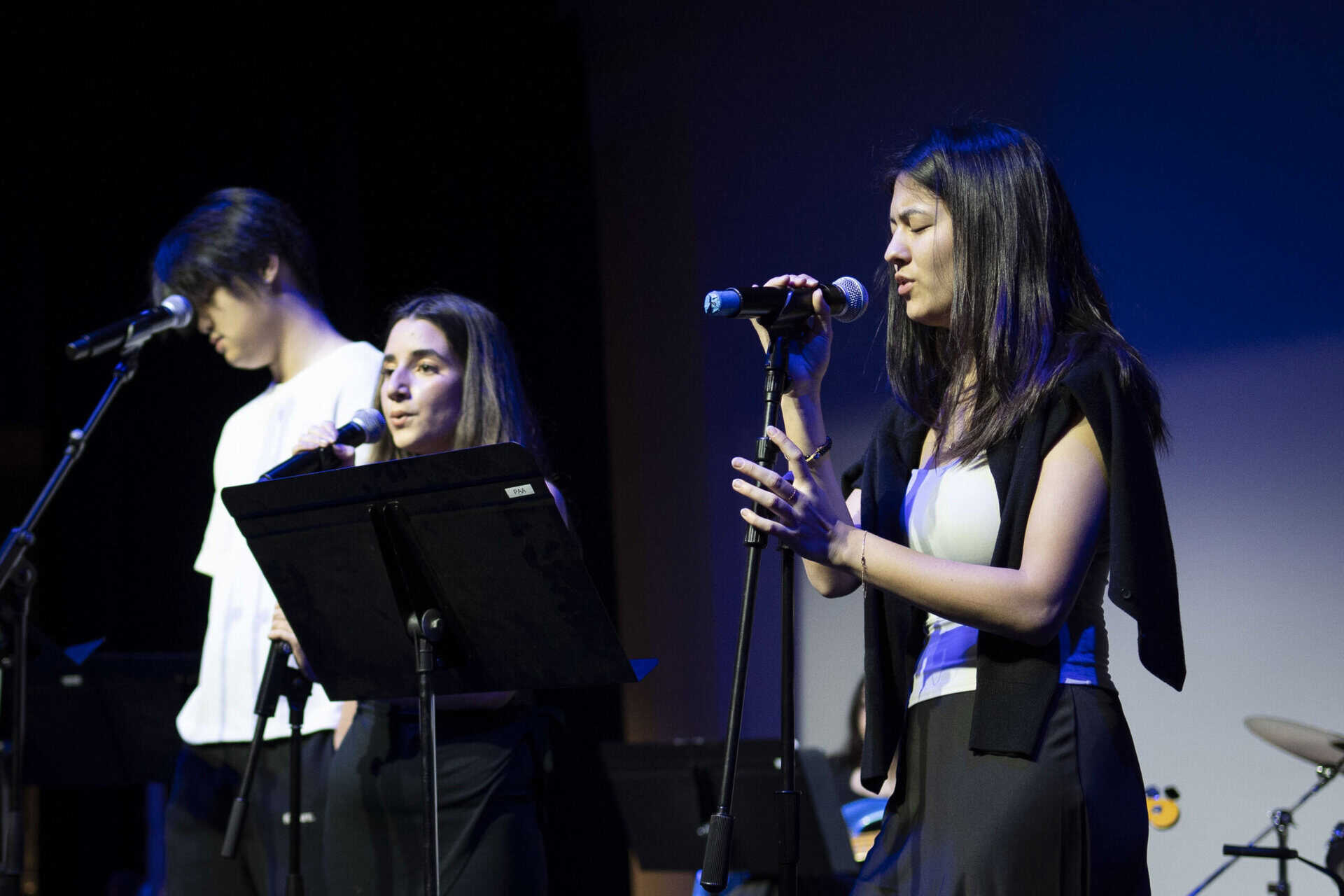
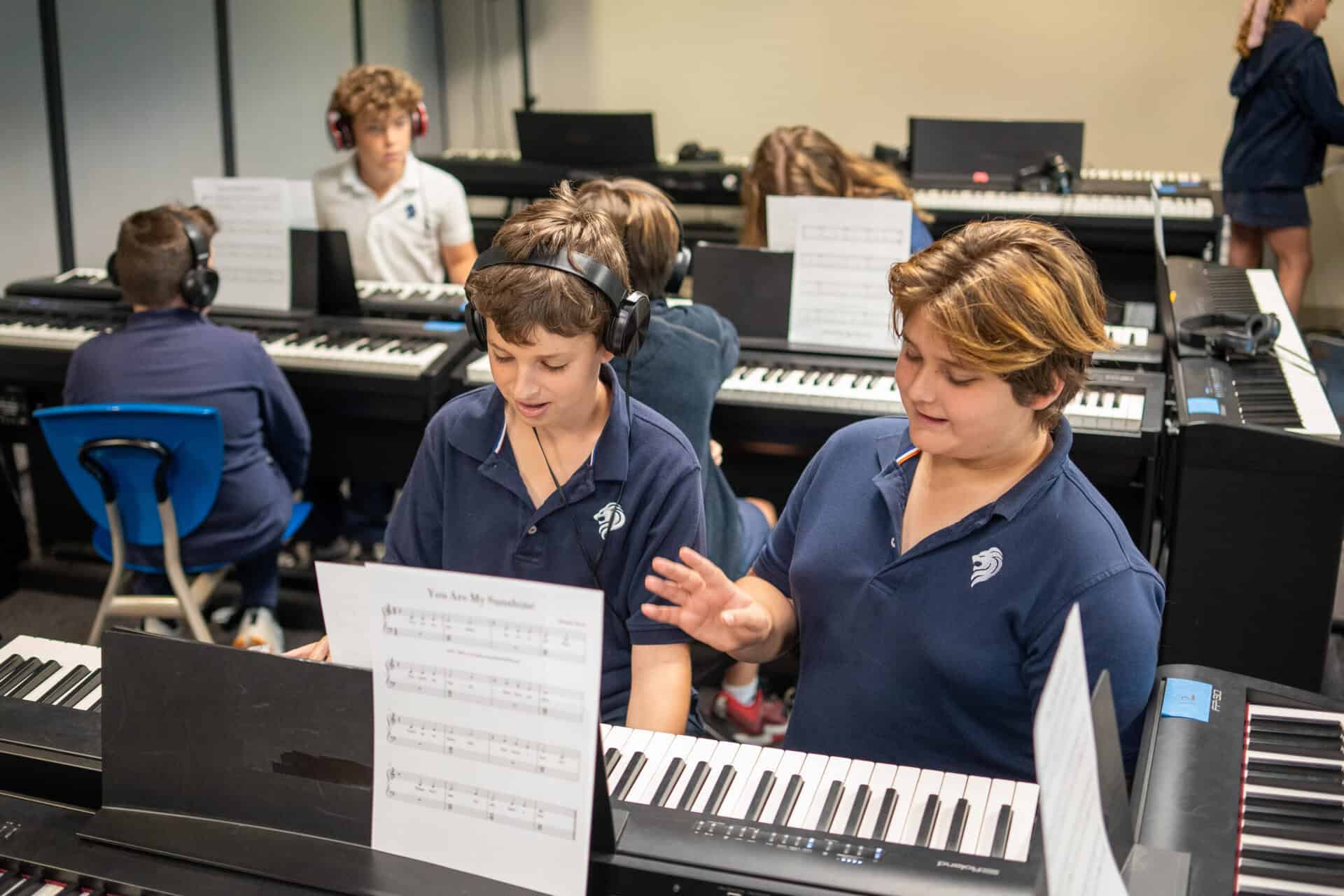
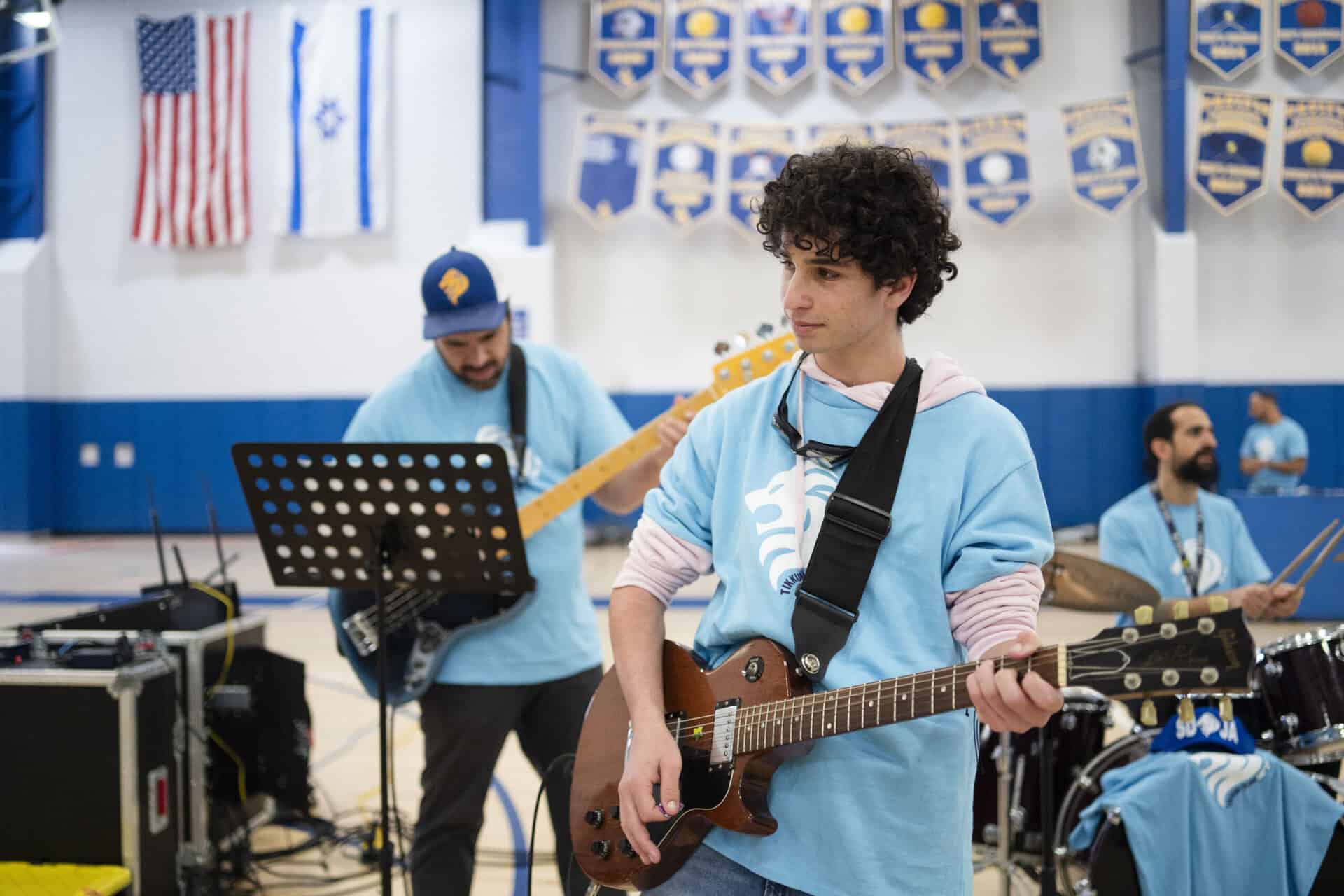
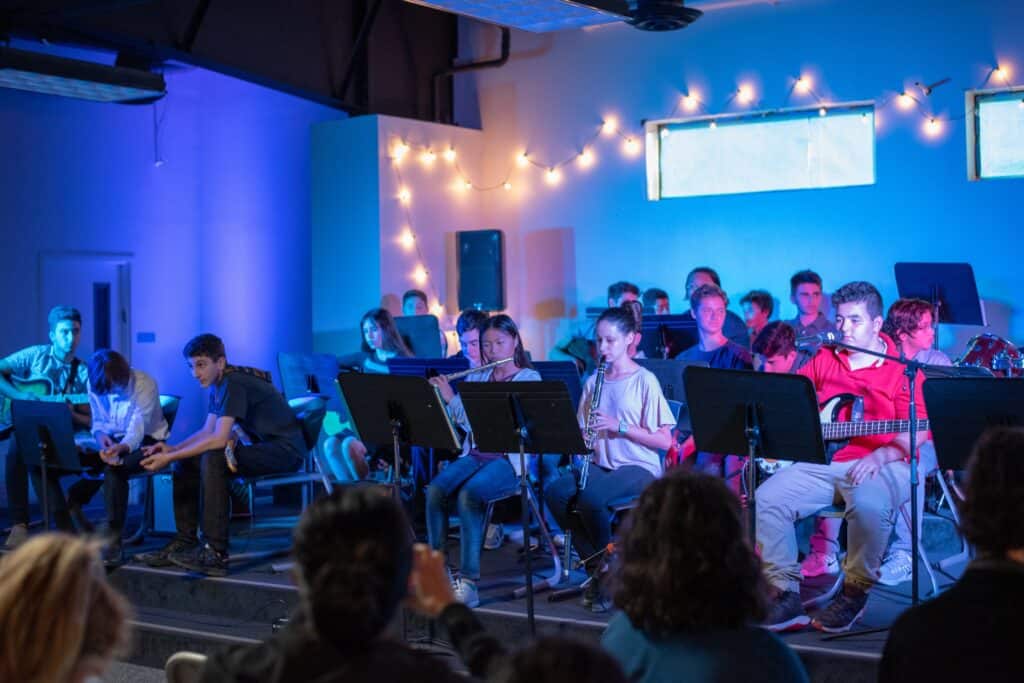
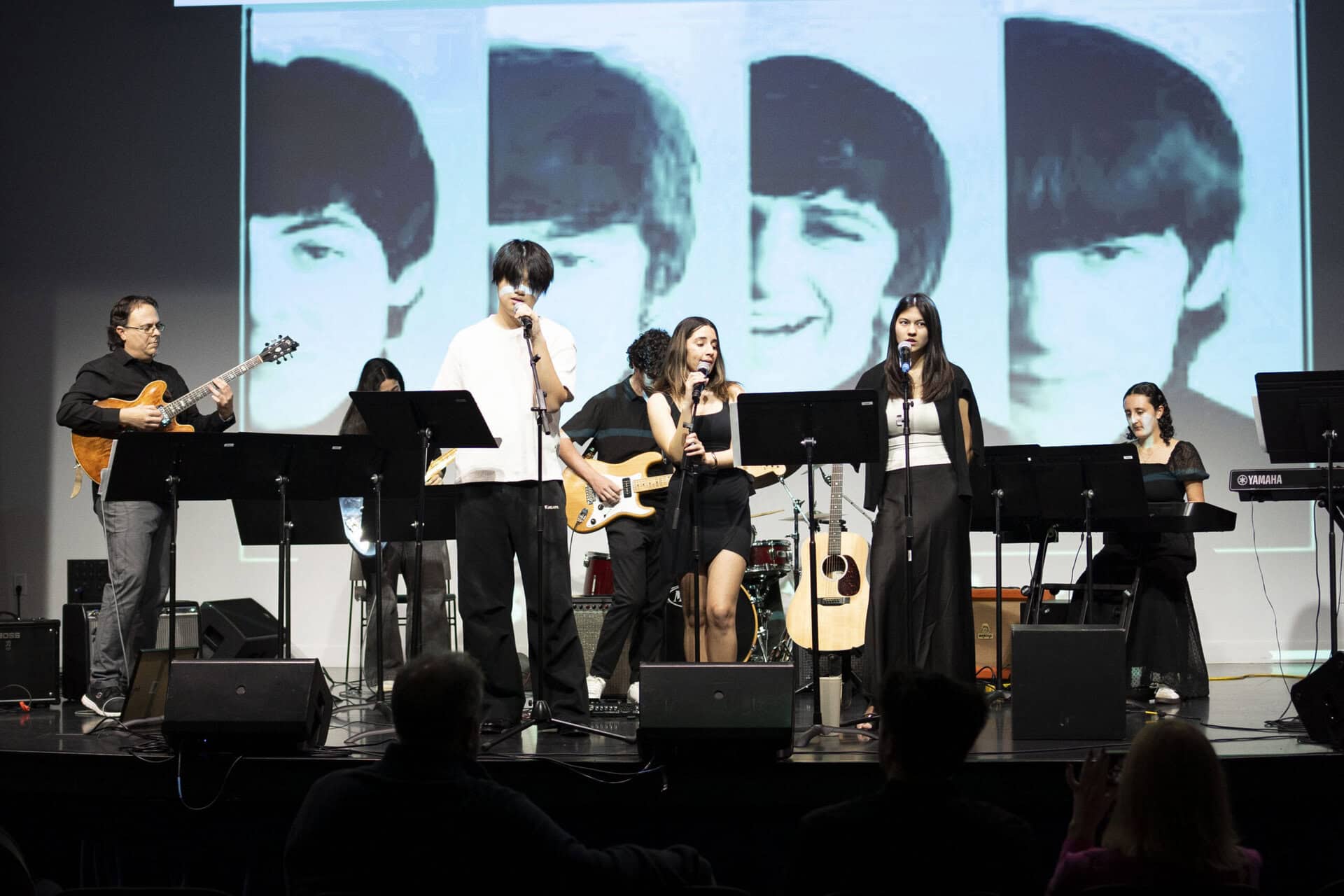
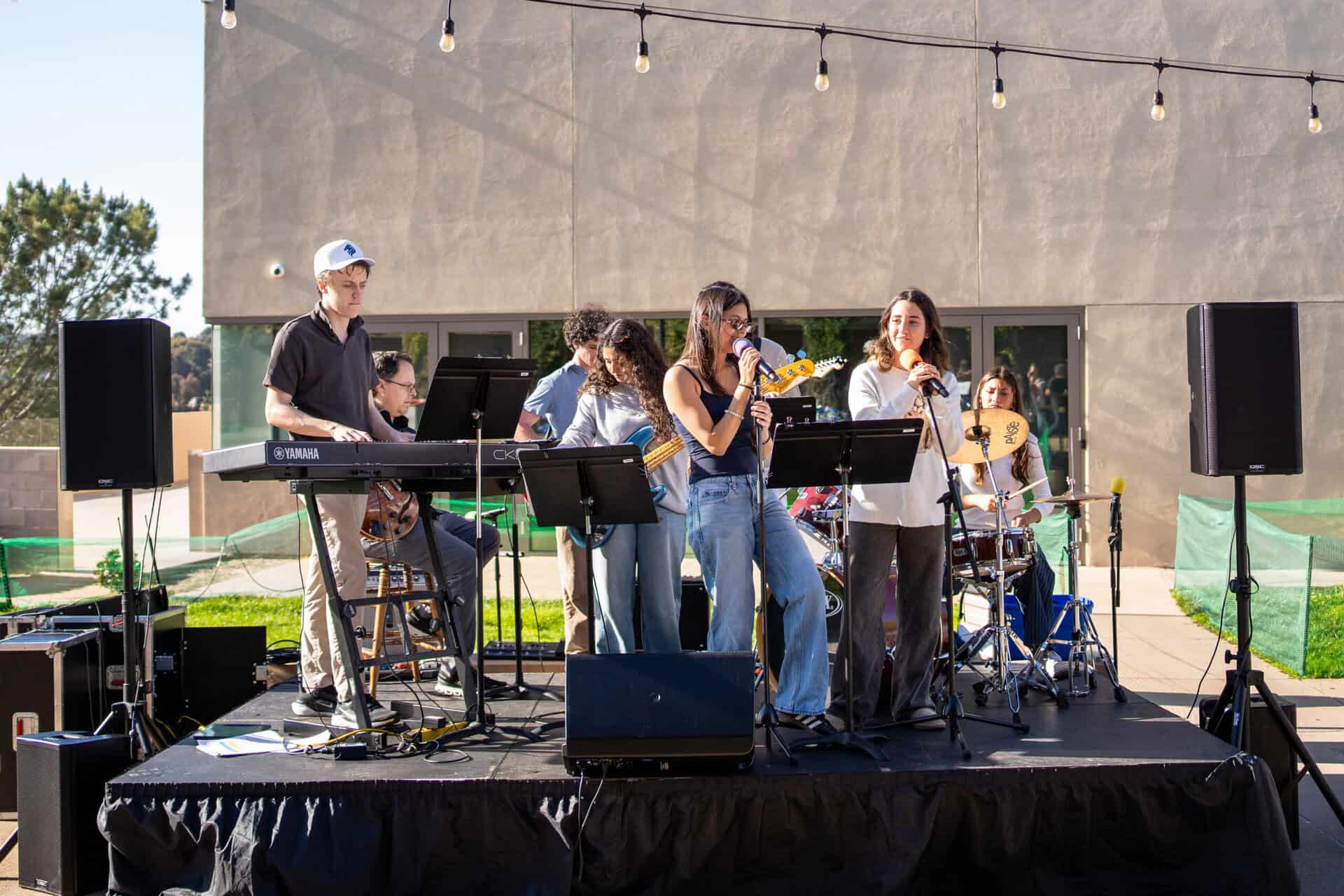
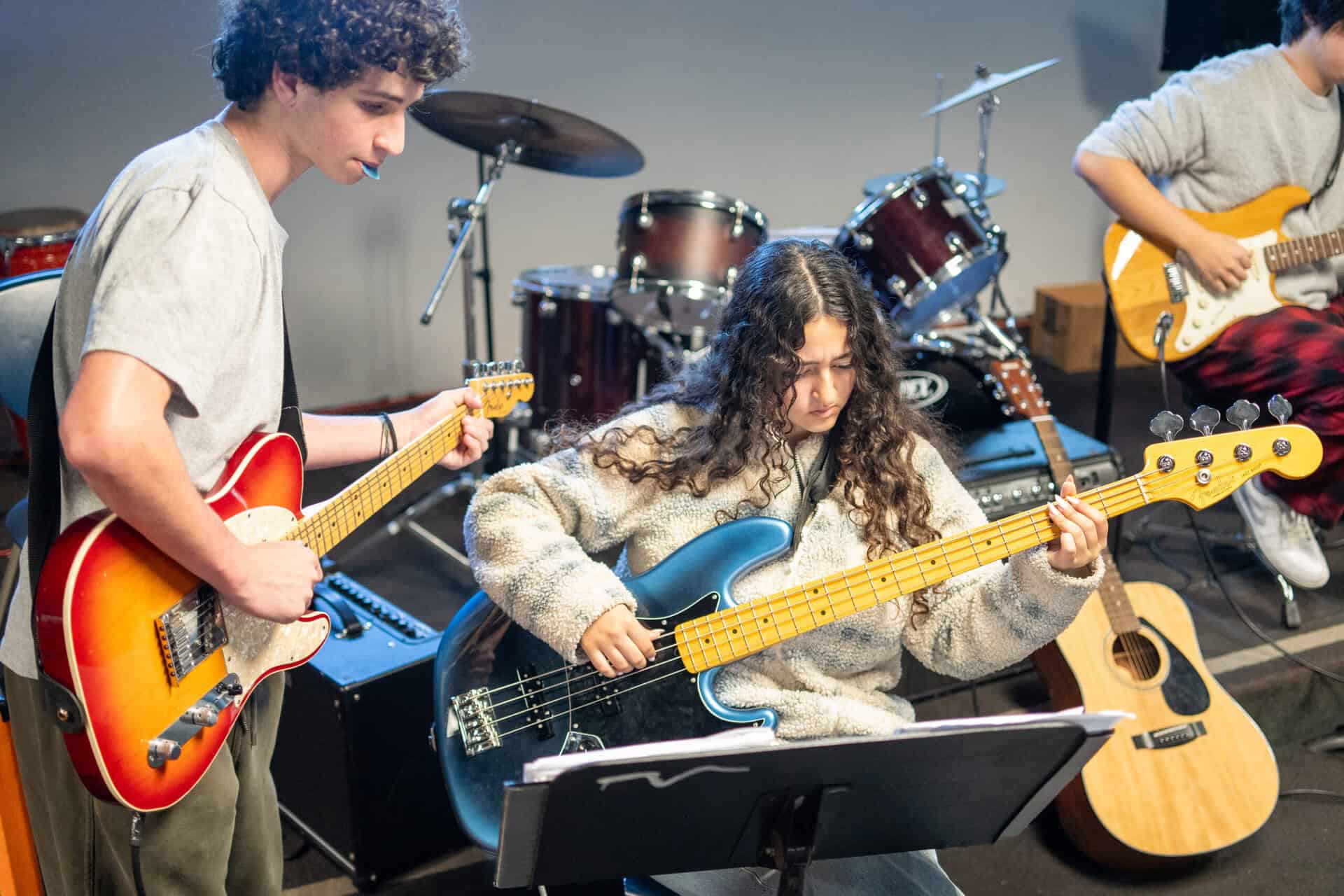
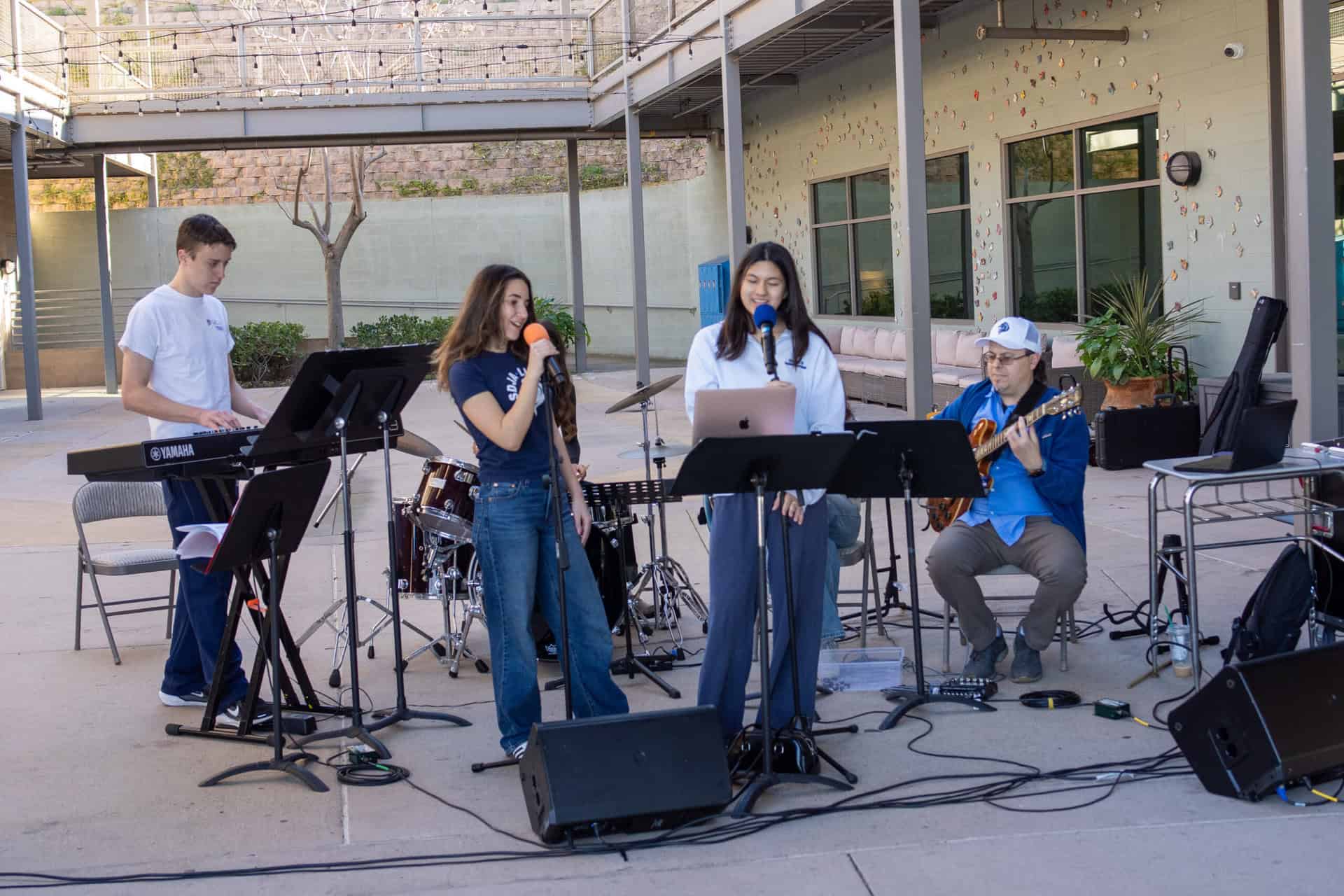
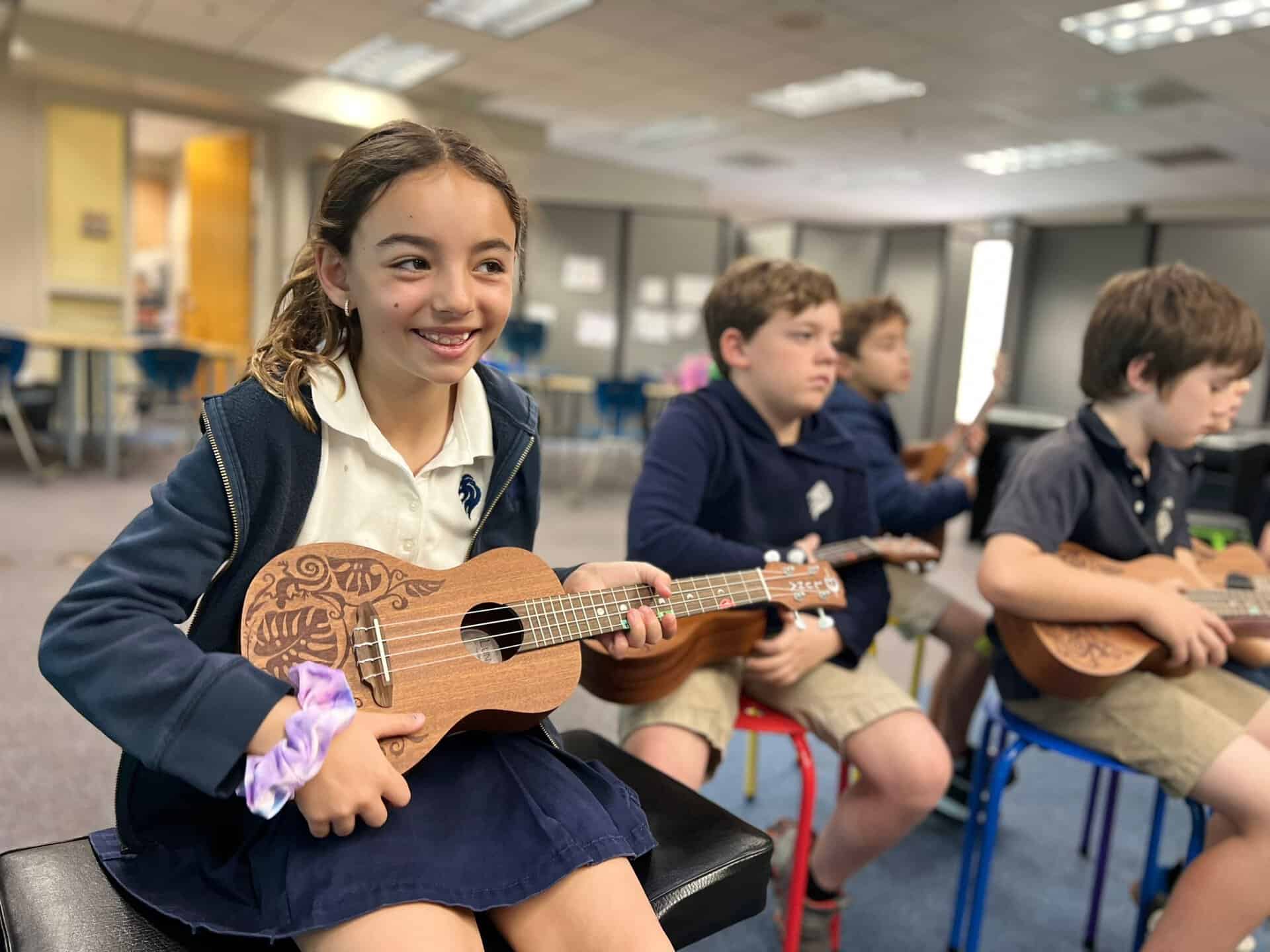
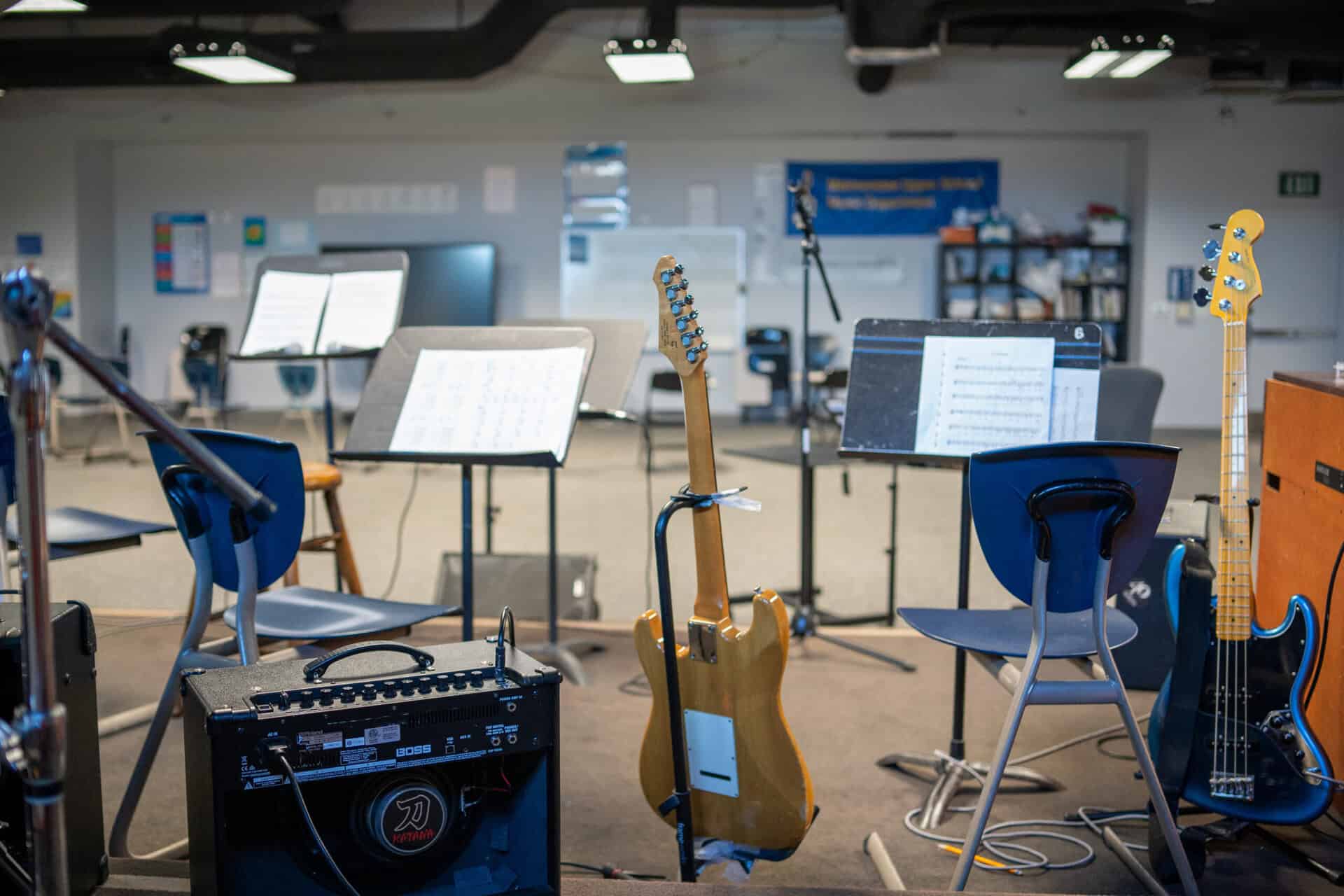
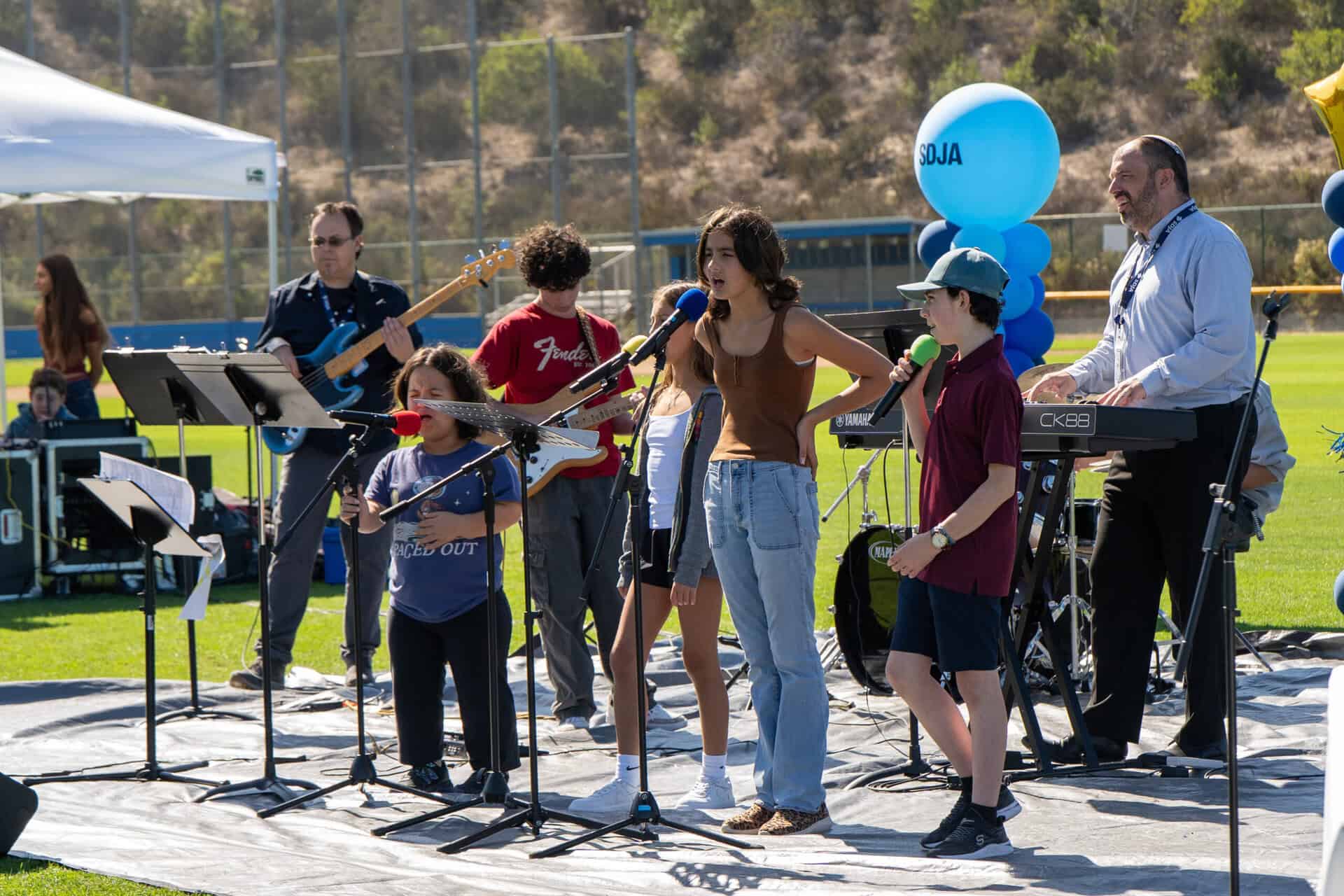
Music at SDJA is active, collaborative, and performance-driven. Students learn to play instruments, read and analyze music, and perform across a range of genres—from jazz and blues to classical and contemporary. Beginning in middle school and progressing through advanced high school ensembles and AP-level study, students build technical skill, musical literacy, and confidence through regular practice and group performance.
As students progress, opportunities expand to include advanced ensembles, small group performances, and public concerts both on campus and in the community—allowing students to apply their skills in authentic, real-world settings.


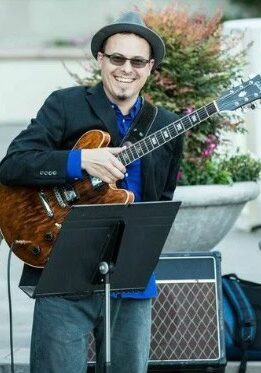
Tommy Collins
Arts Department Chair, Music Teacher
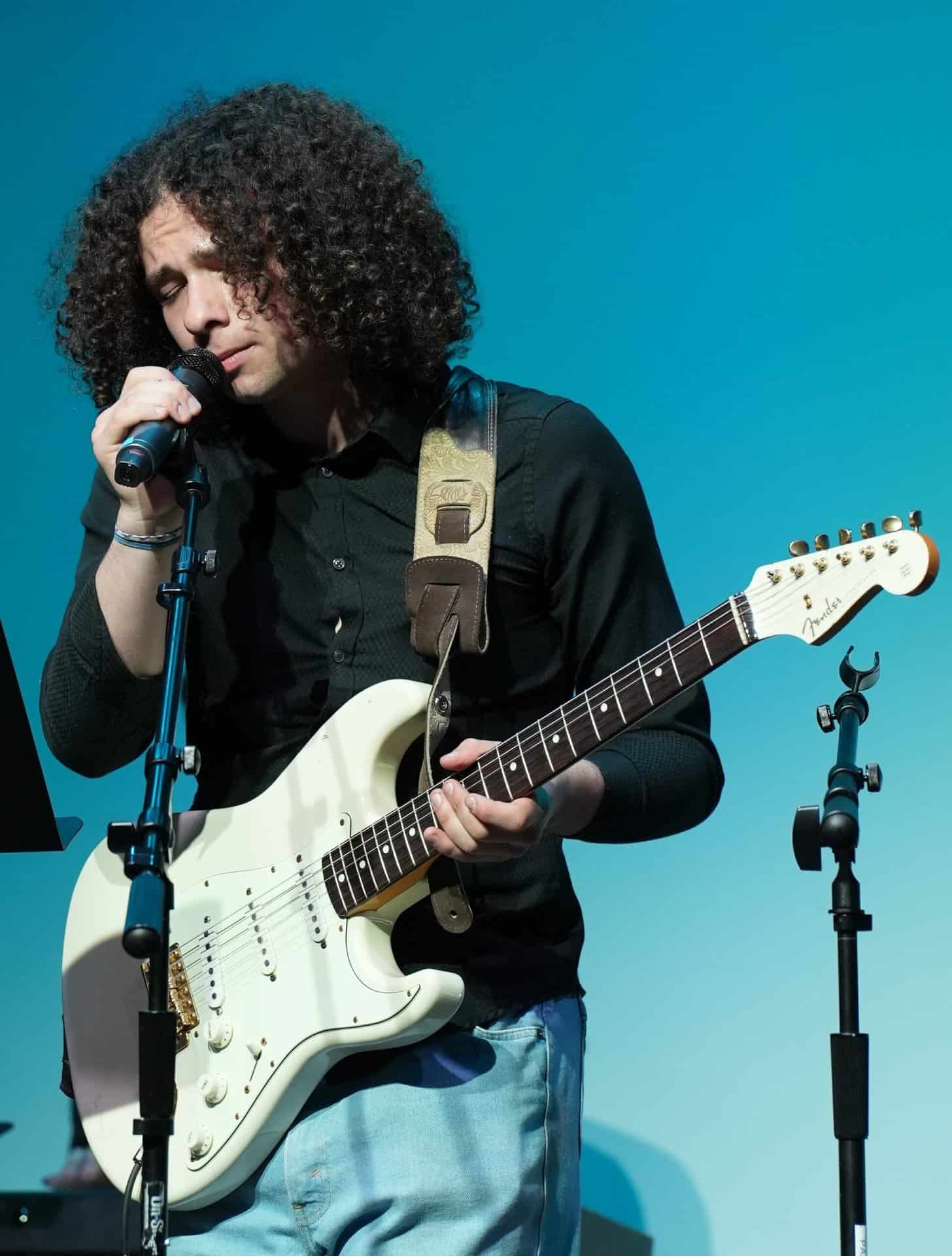
Tommy Collins brings over three decades of experience as both an educator and professional musician. As a seasoned guitarist, he has served as a sideman for jazz, rock, and pop bands, including Spaceman Spiff and Bus Ride. He has also taught at leading programs including the Francis Parker Summer Jazz Workshop, Guitar Workshop Plus, and the San Diego Youth Symphony. When it comes to his own music, Tommy meticulously crafts every aspect of his recordings, from playing and programming to recording, mixing, and mastering. His unwavering passion for music is evident throughout all of his work.
At SDJA, Tommy creates a dynamic and supportive environment where students develop strong technical foundations while exploring creativity, collaboration, and self-expression. His approach emphasizes both discipline and joy—helping students grow as musicians and as confident performers.
“Music is a lifelong journey of expression and creativity. My goal is to challenge and inspire students to grow, take risks, and find their voice.”
- Tommy Collins
Theatre
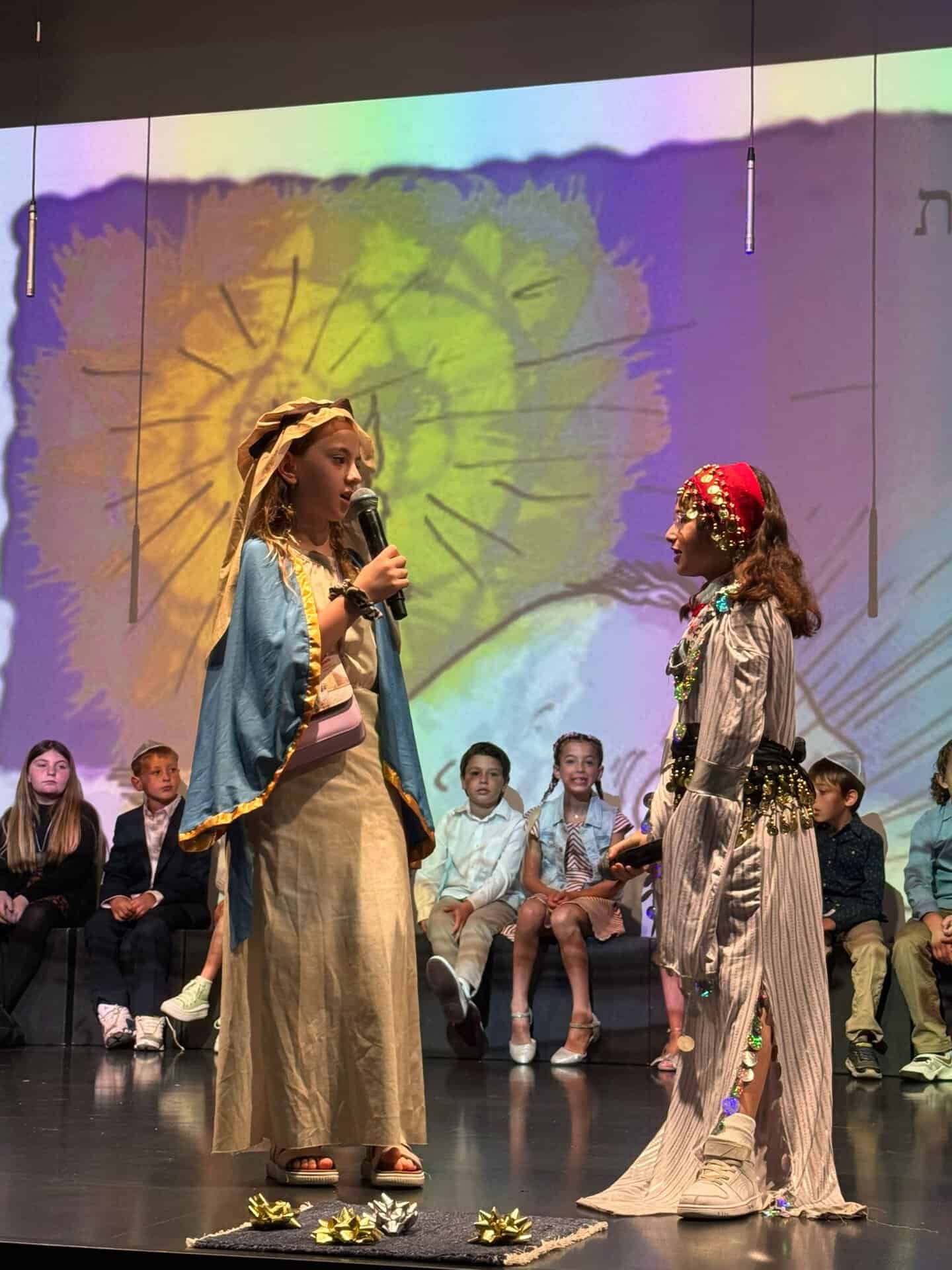
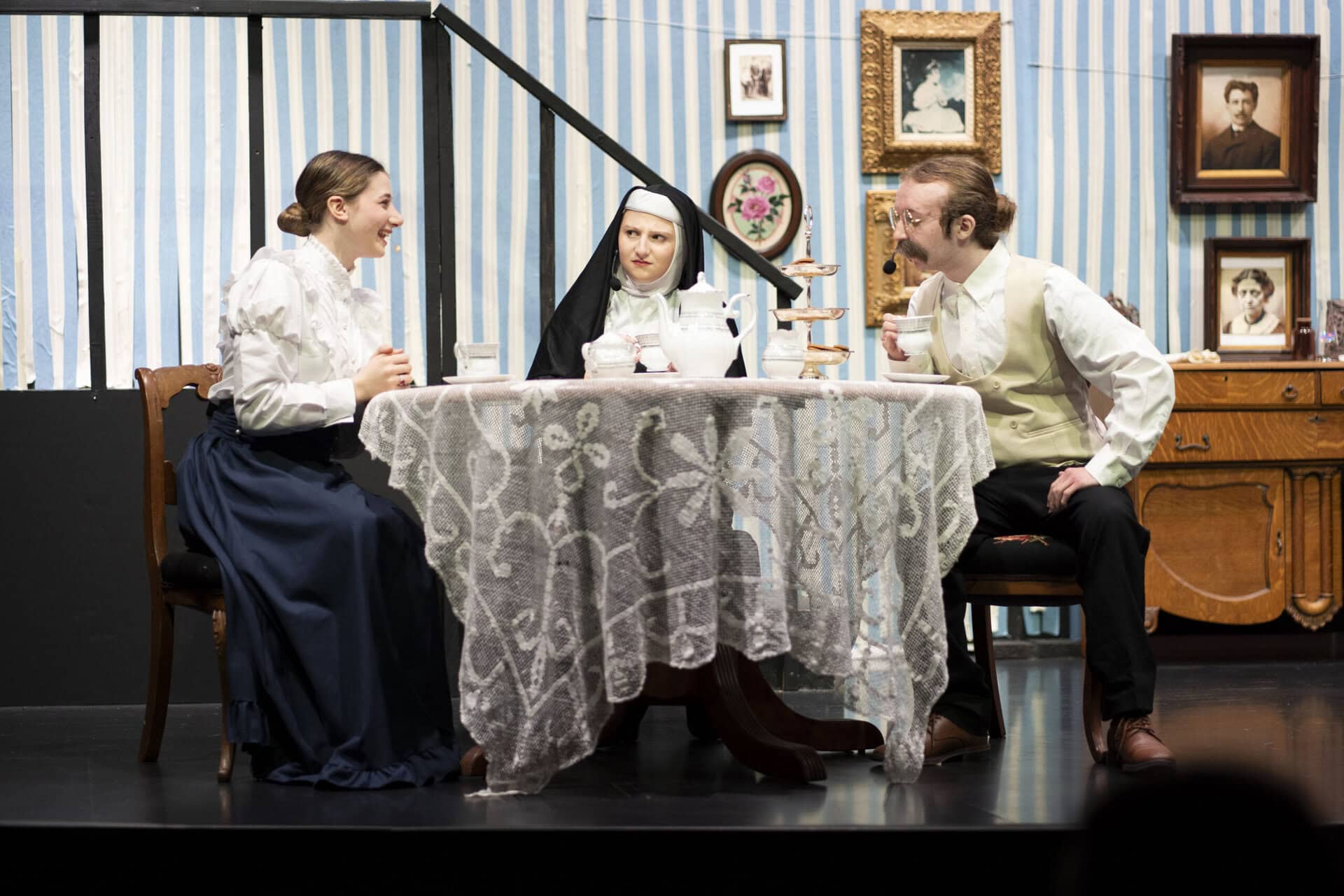

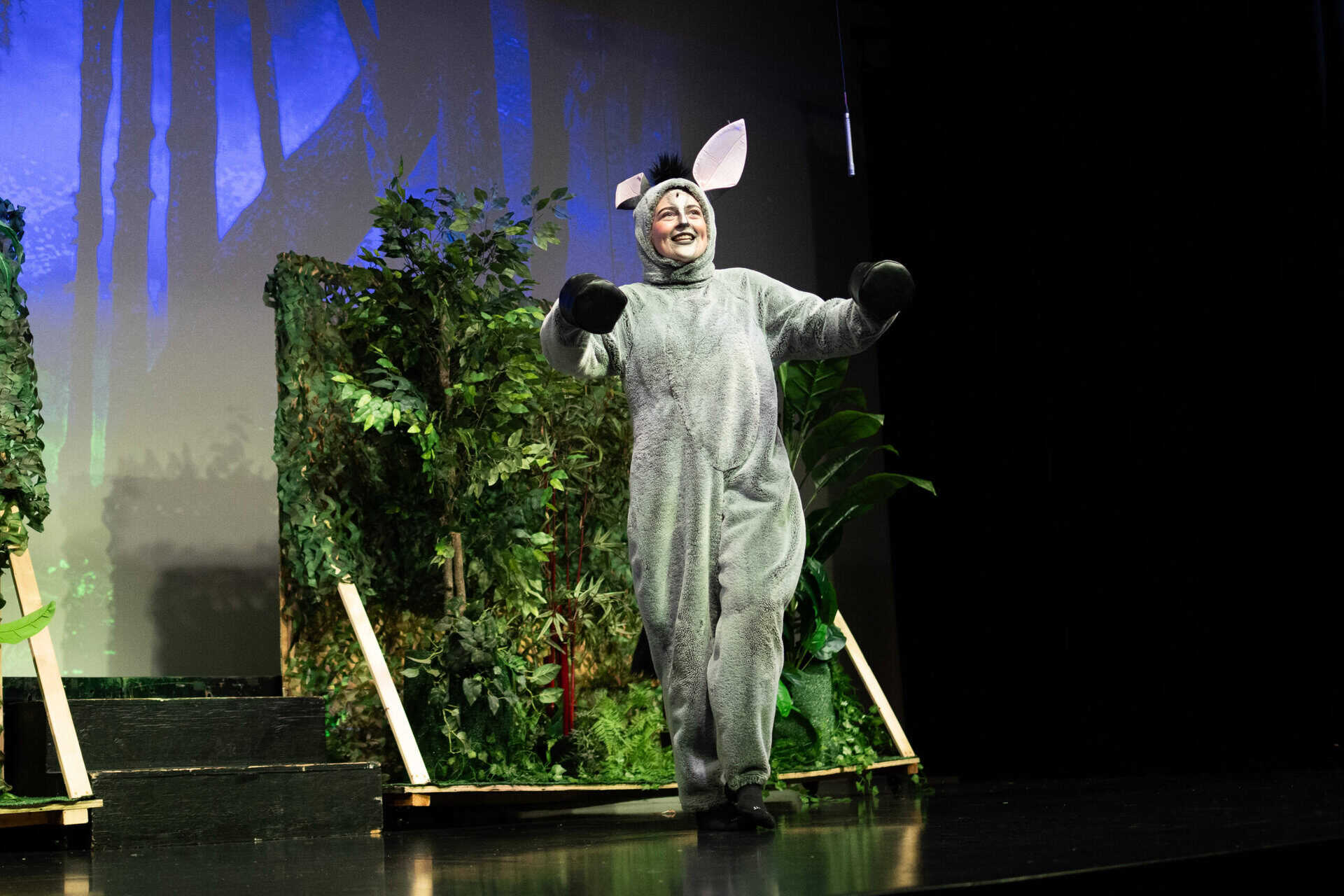
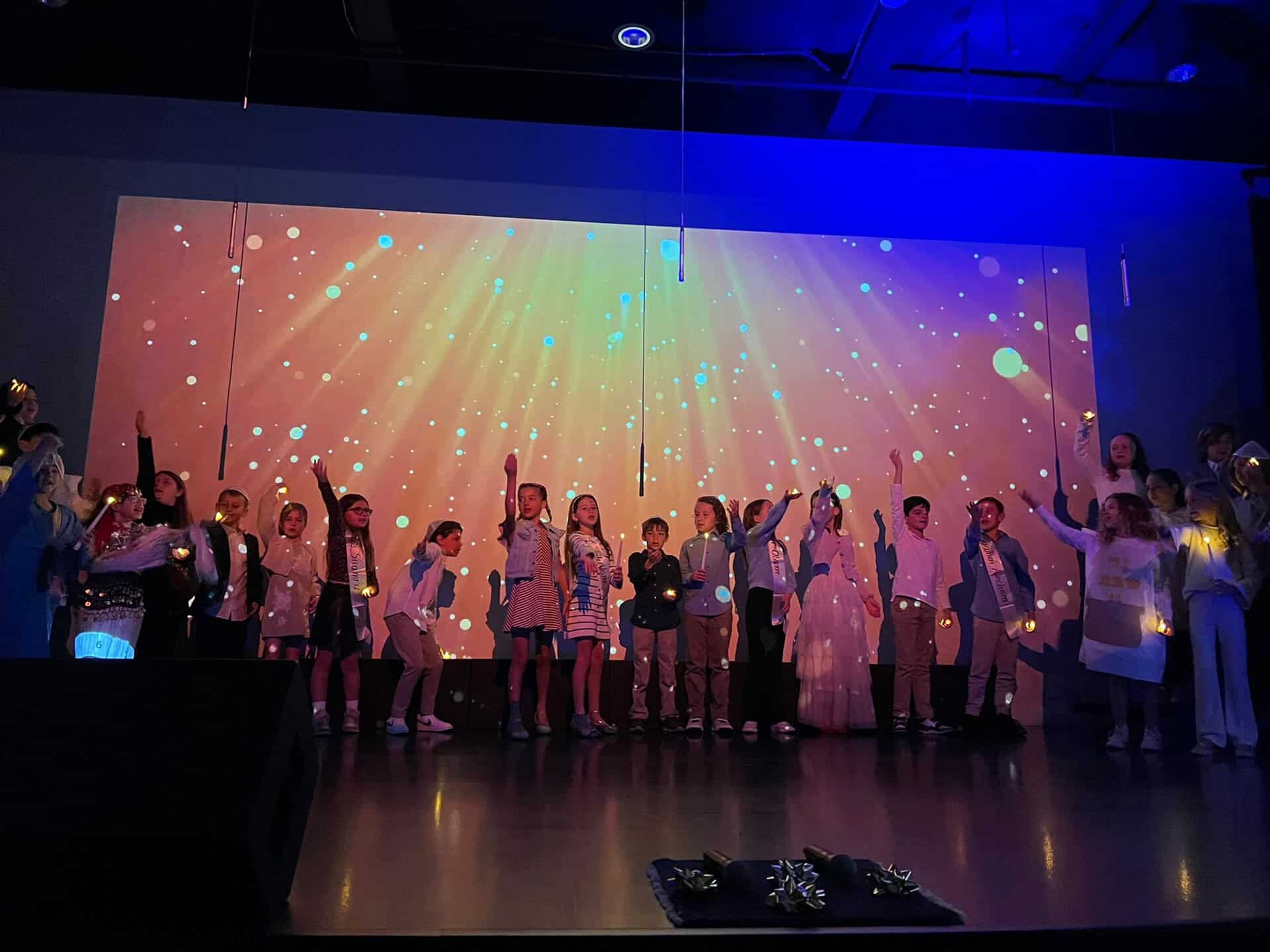
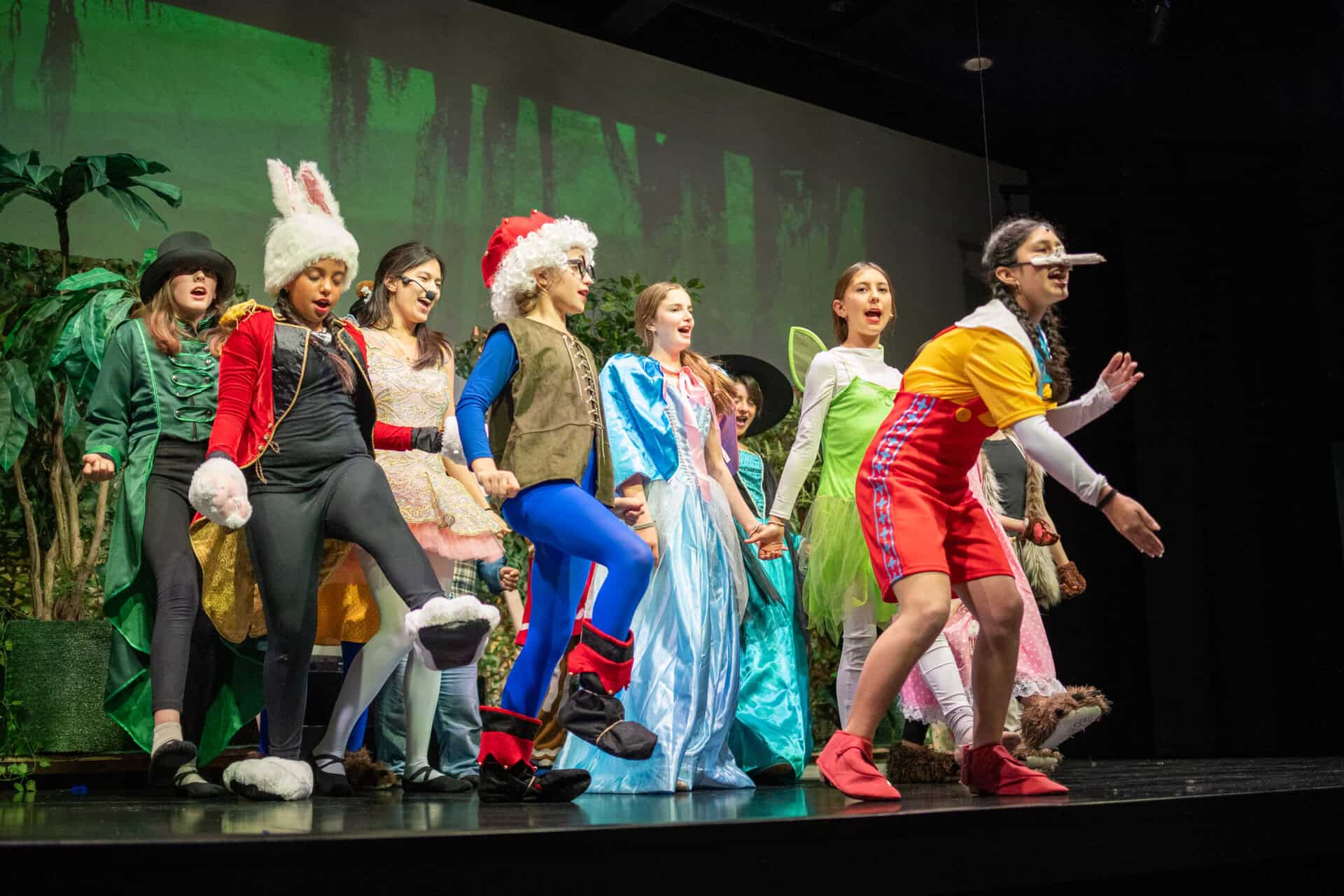

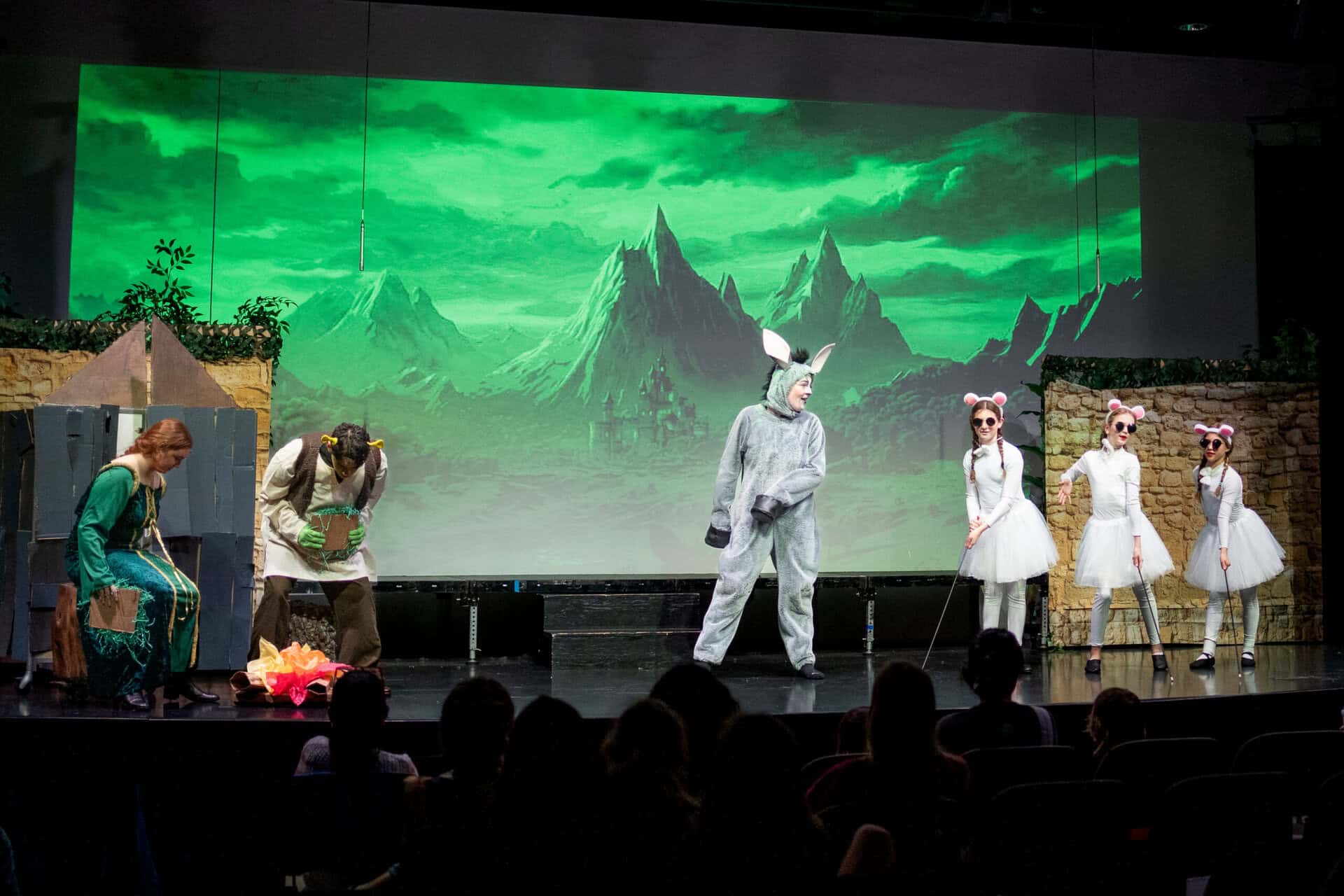

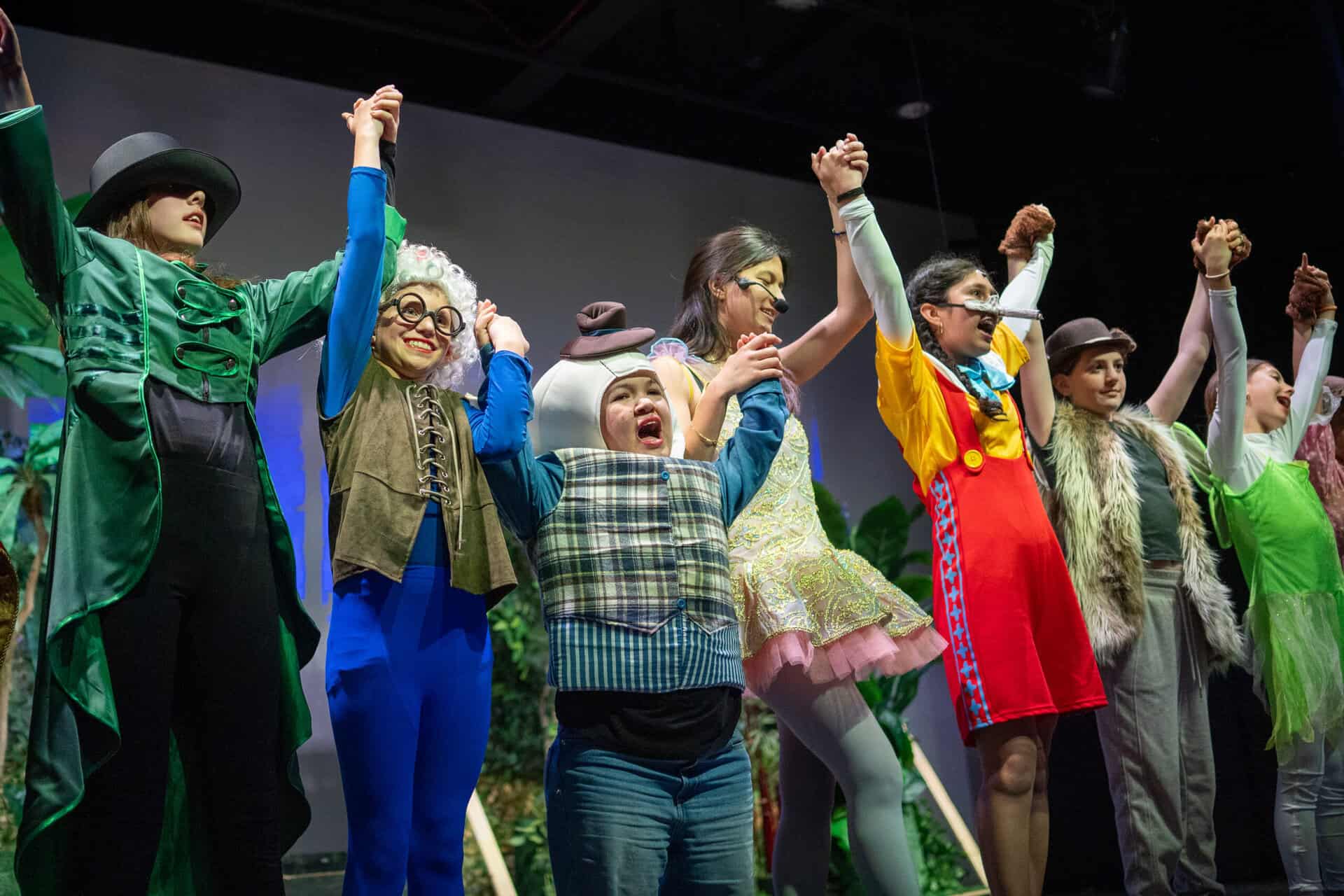
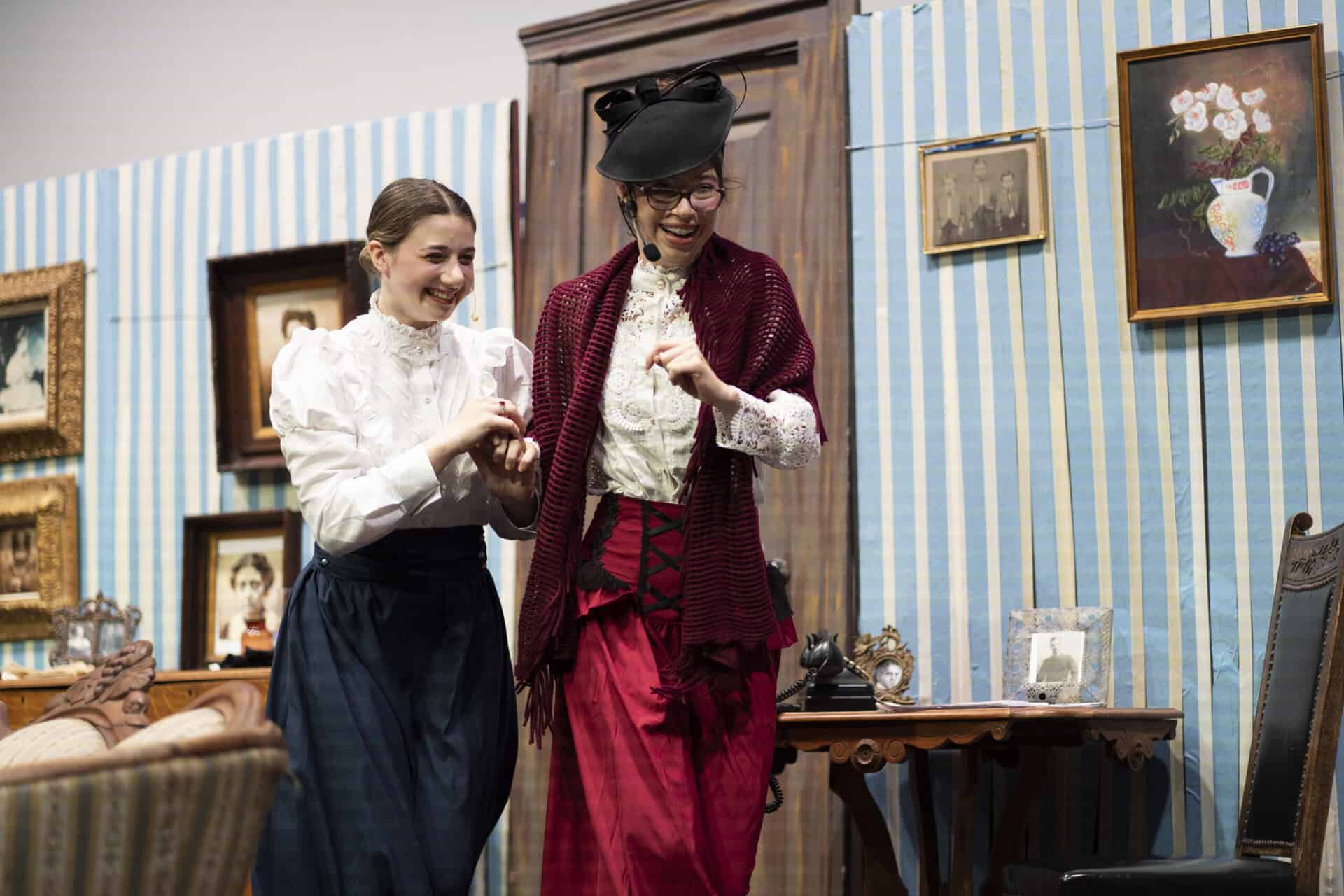
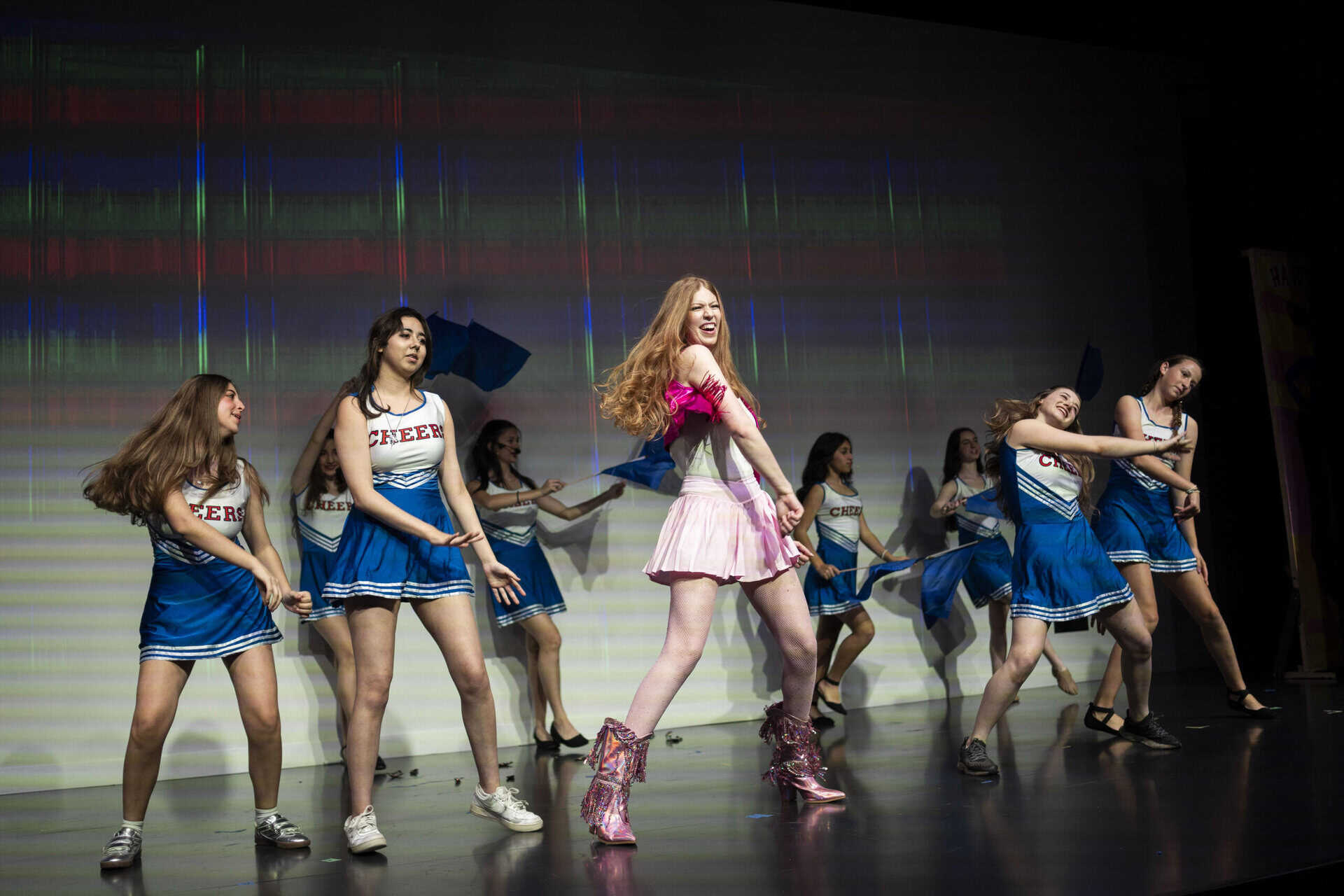
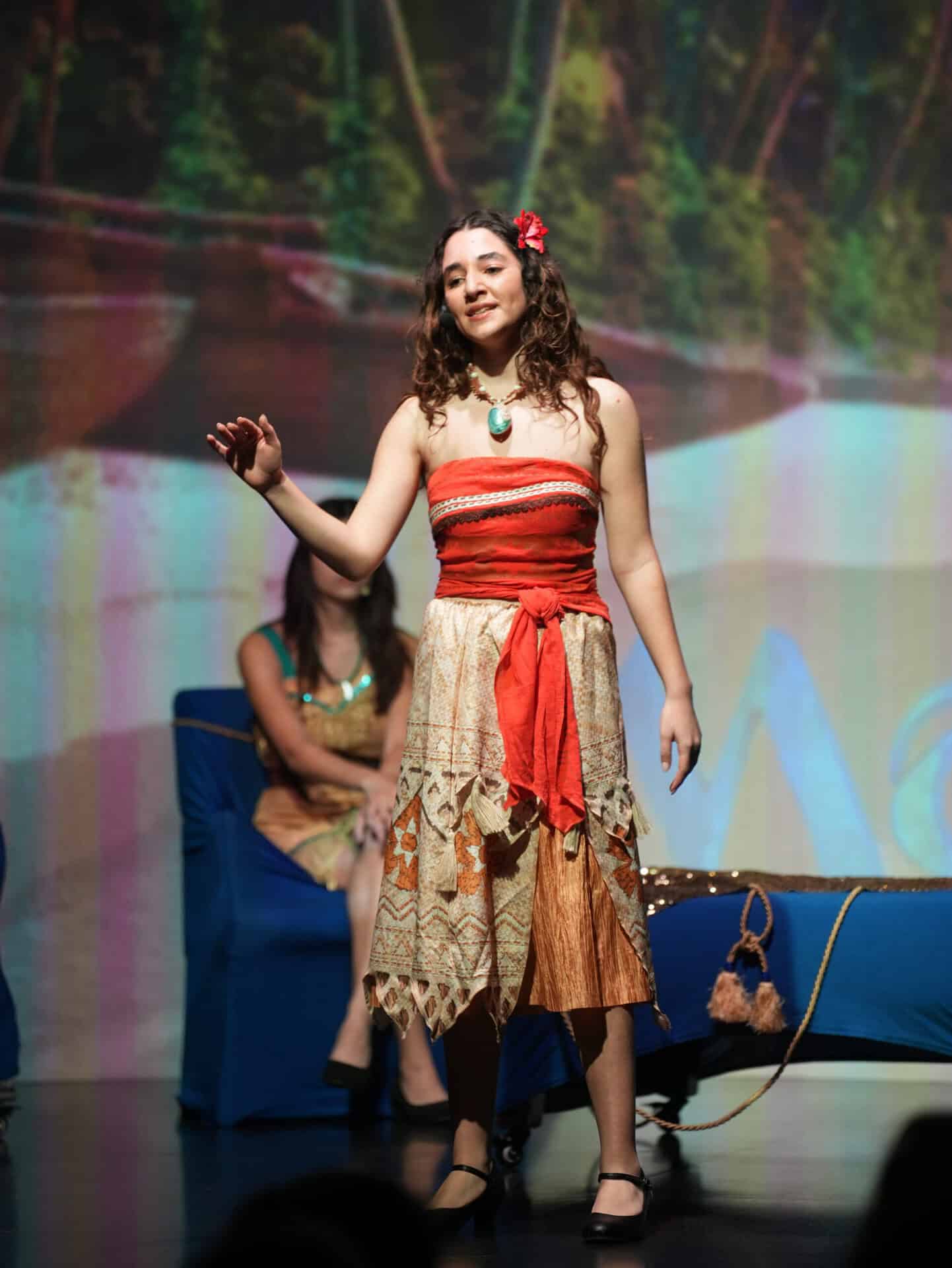
Theatre at SDJA is immersive, collaborative, and student-driven. Students explore acting, directing, design, and technical theatre while developing skills in voice, movement, storytelling, and production. Courses evolve based on student interest, allowing for experiences that range from improvisation and character development to set design, lighting, and media production.
Learning extends beyond the classroom through full-scale productions and student-led performances. Whether on stage or behind the scenes, students take ownership of the creative process—building confidence, empathy, and leadership.
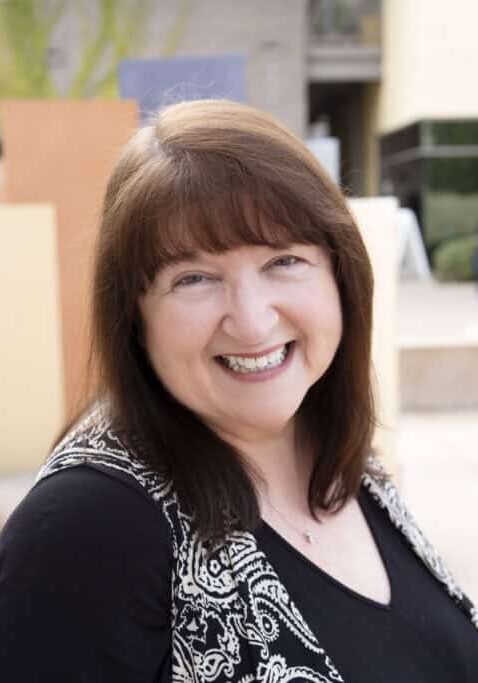
PK Brannon
Artistic Director, Theatre Teacher
PK Brannon brings extensive experience from New York’s performing arts world, where she served as Head of Performing Arts for a school district and worked as a director and artistic consultant on theatre productions and facility design. Her background spans acting, directing, and technical theatre, giving her a comprehensive perspective on the craft.
At SDJA, PK empowers students to explore every aspect of theatre—from performance to production—while fostering mentorship and leadership opportunities across grade levels. Her philosophy centers on developing the whole student, using theatre as a vehicle for confidence, empathy, collaboration, and creative thinking.
“I’m not just developing performers—I’m helping students grow into confident, empathetic, and thoughtful people.”
- PK Brannon
Visual Arts
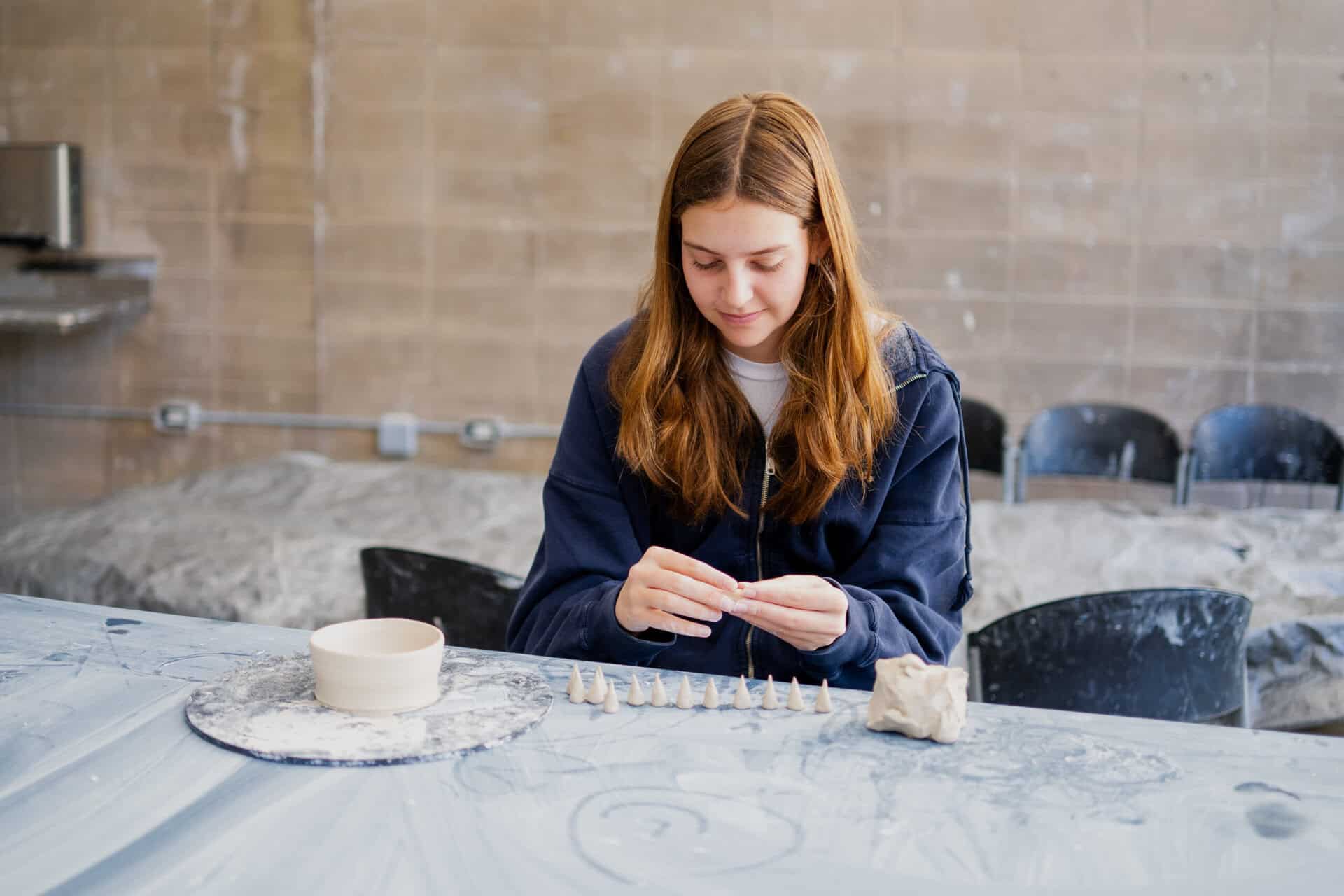
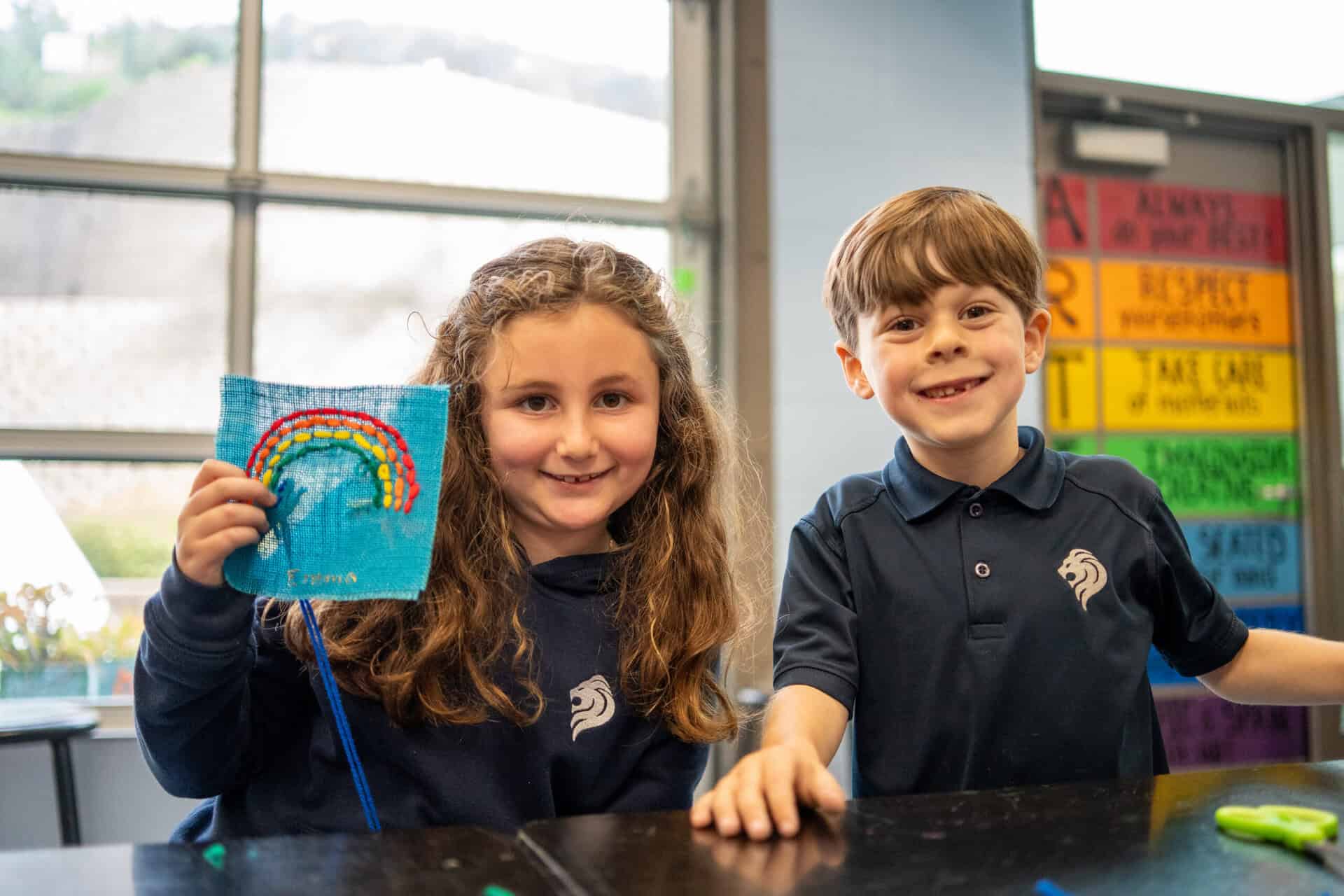
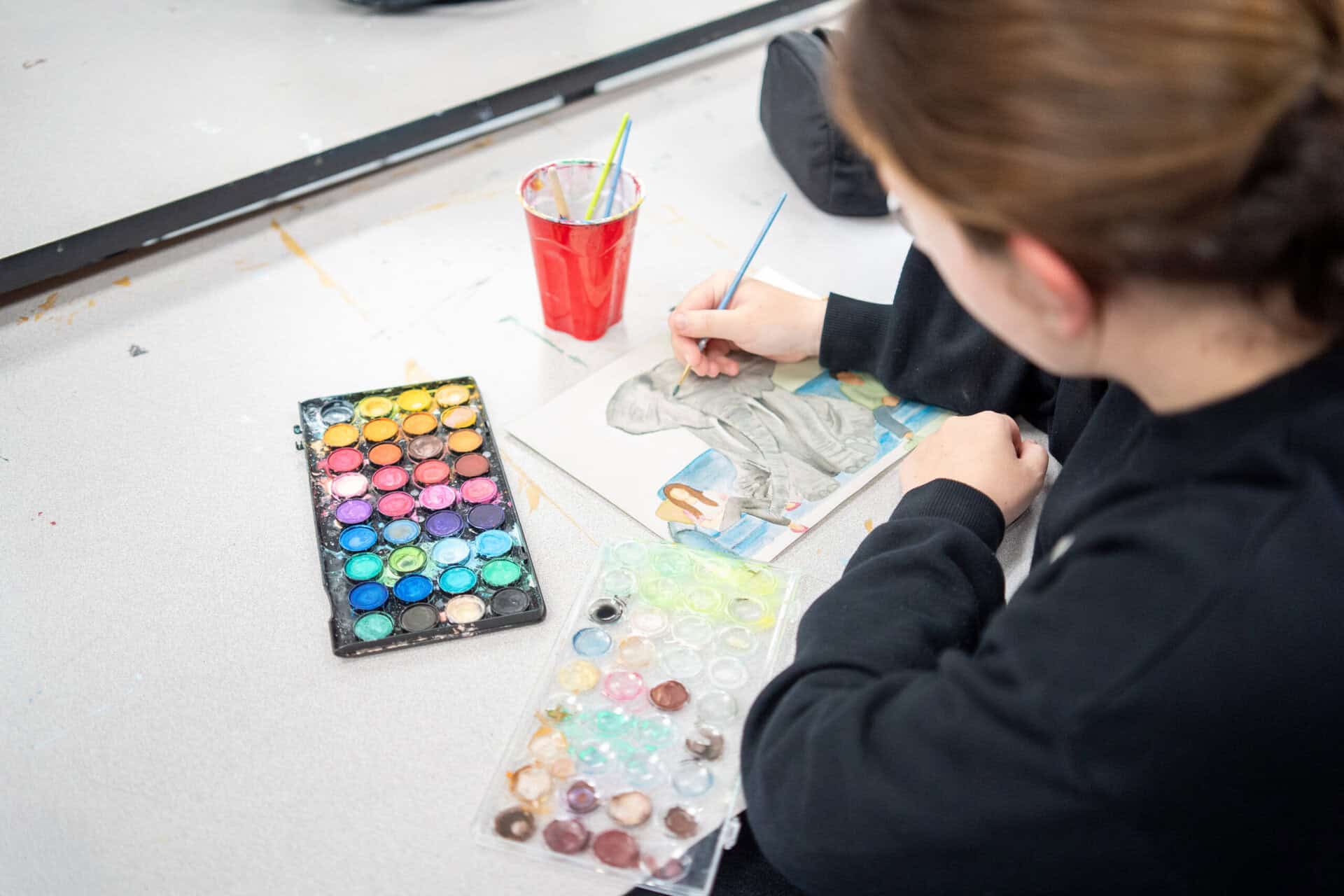
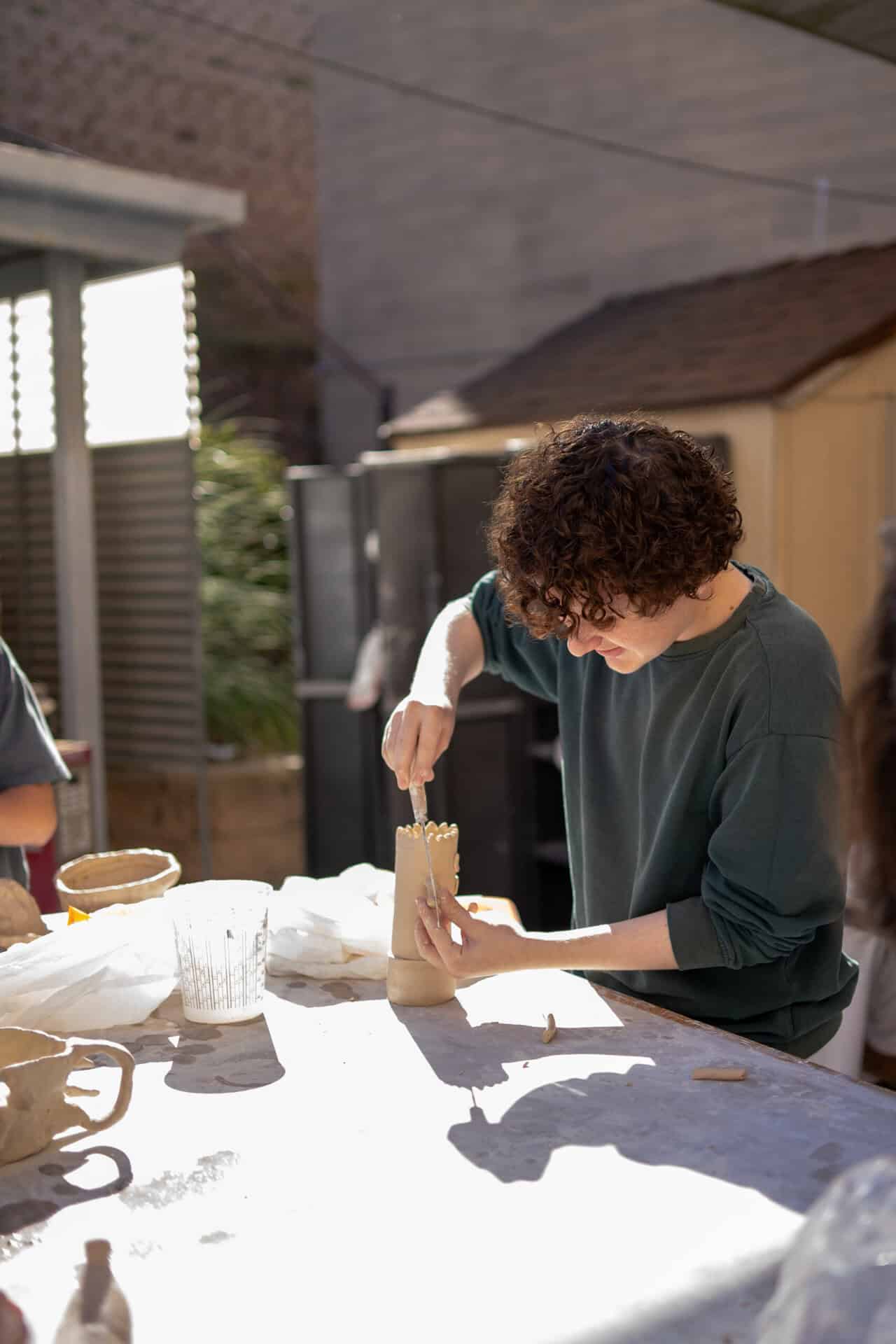
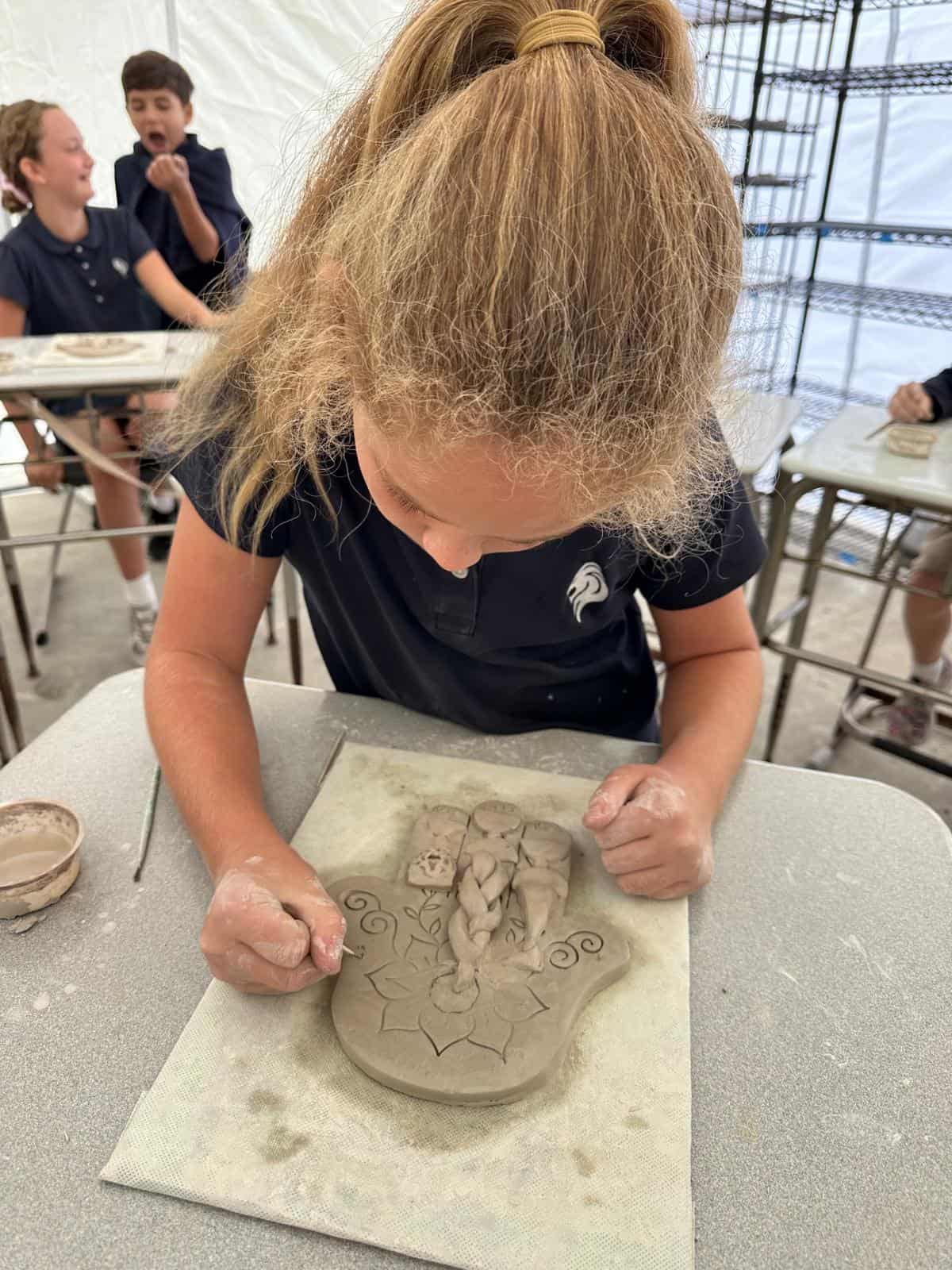
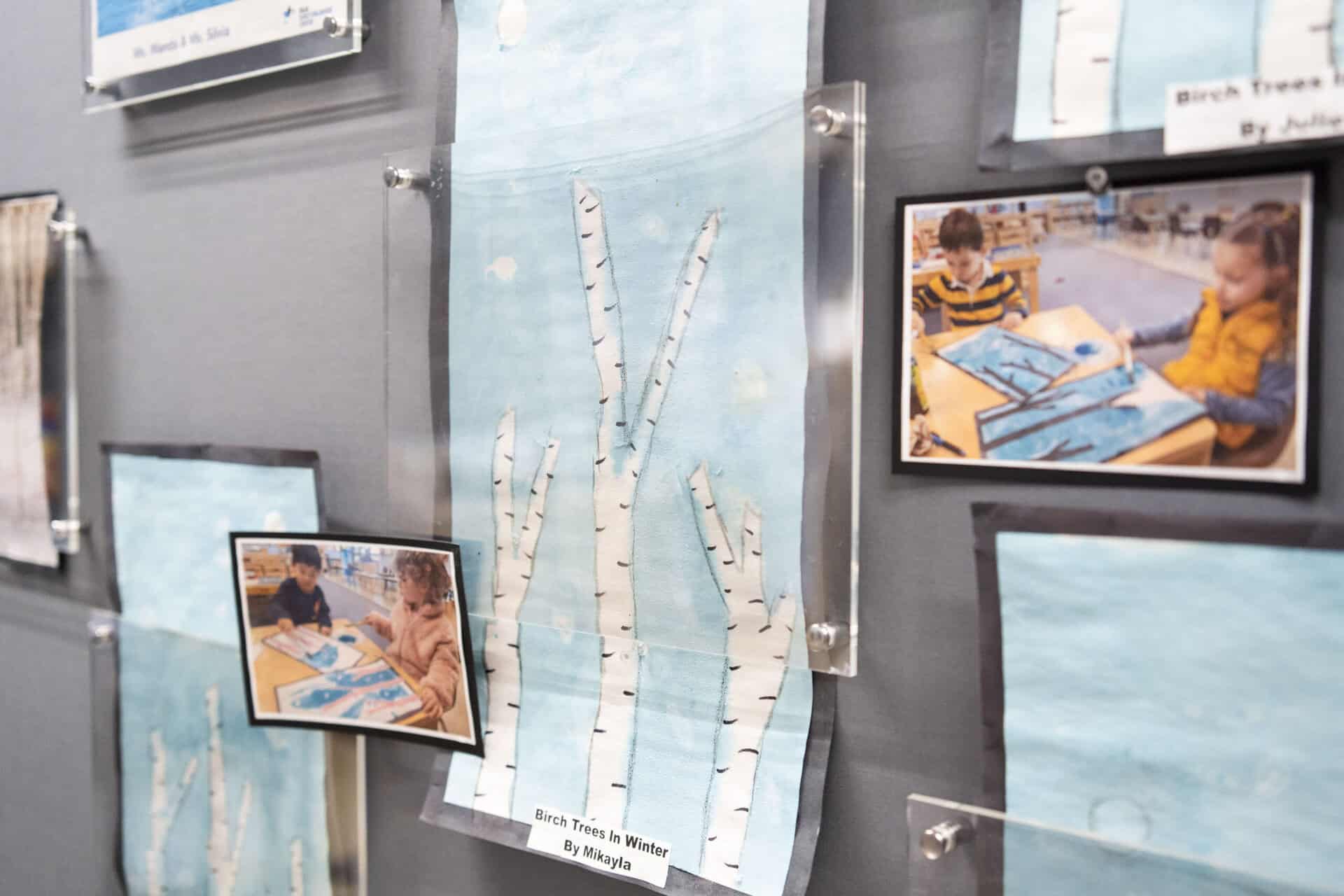
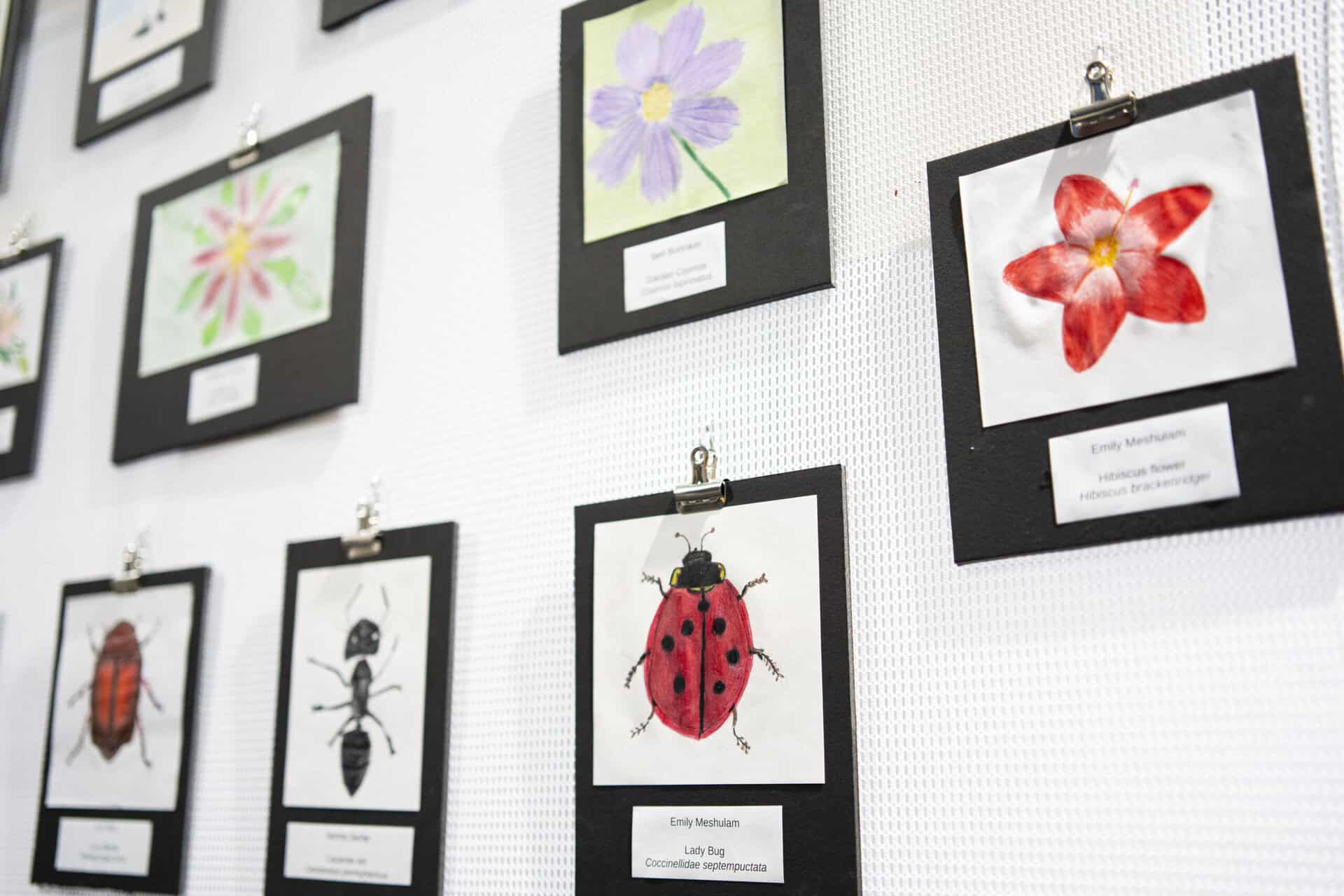
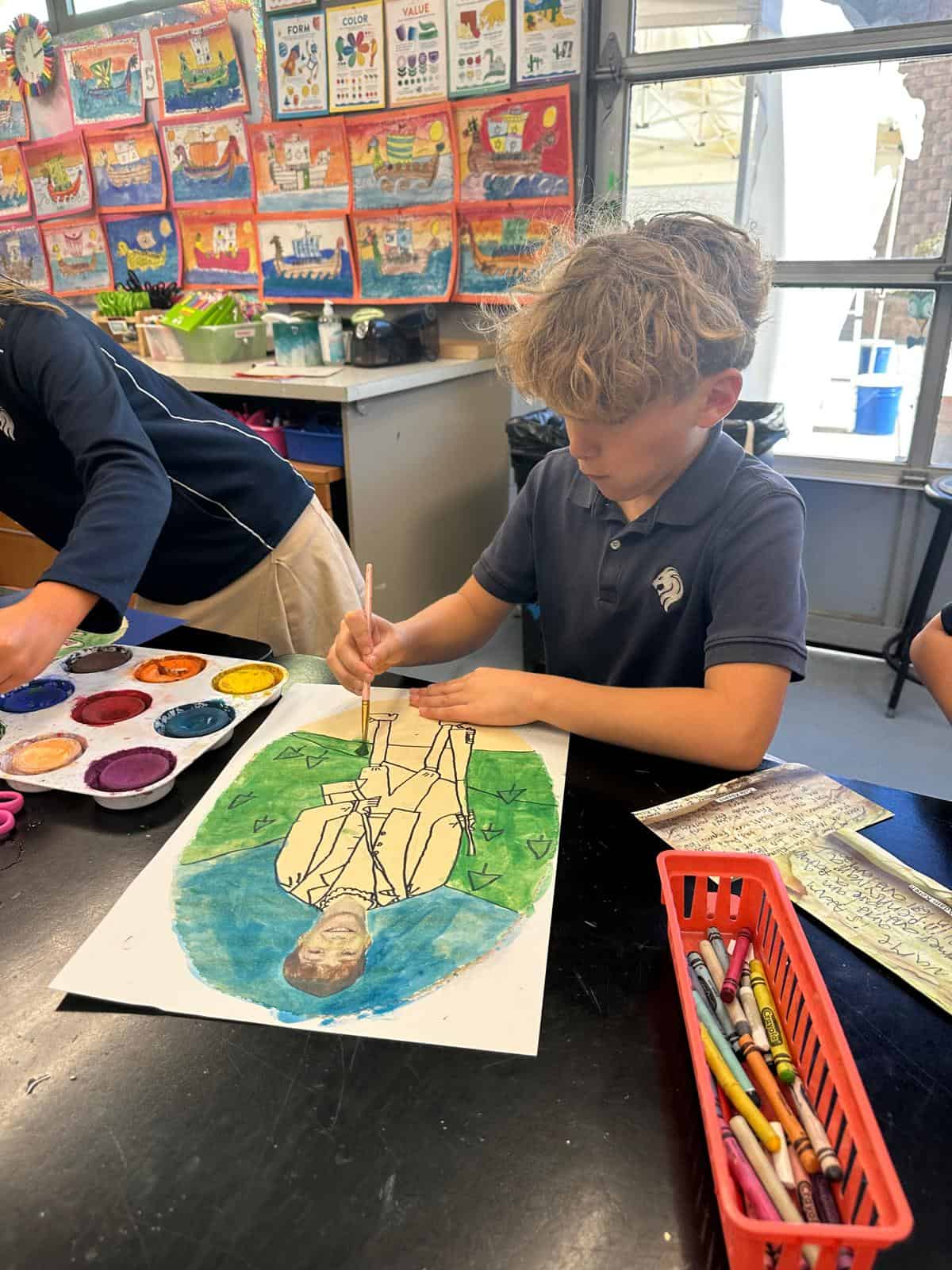
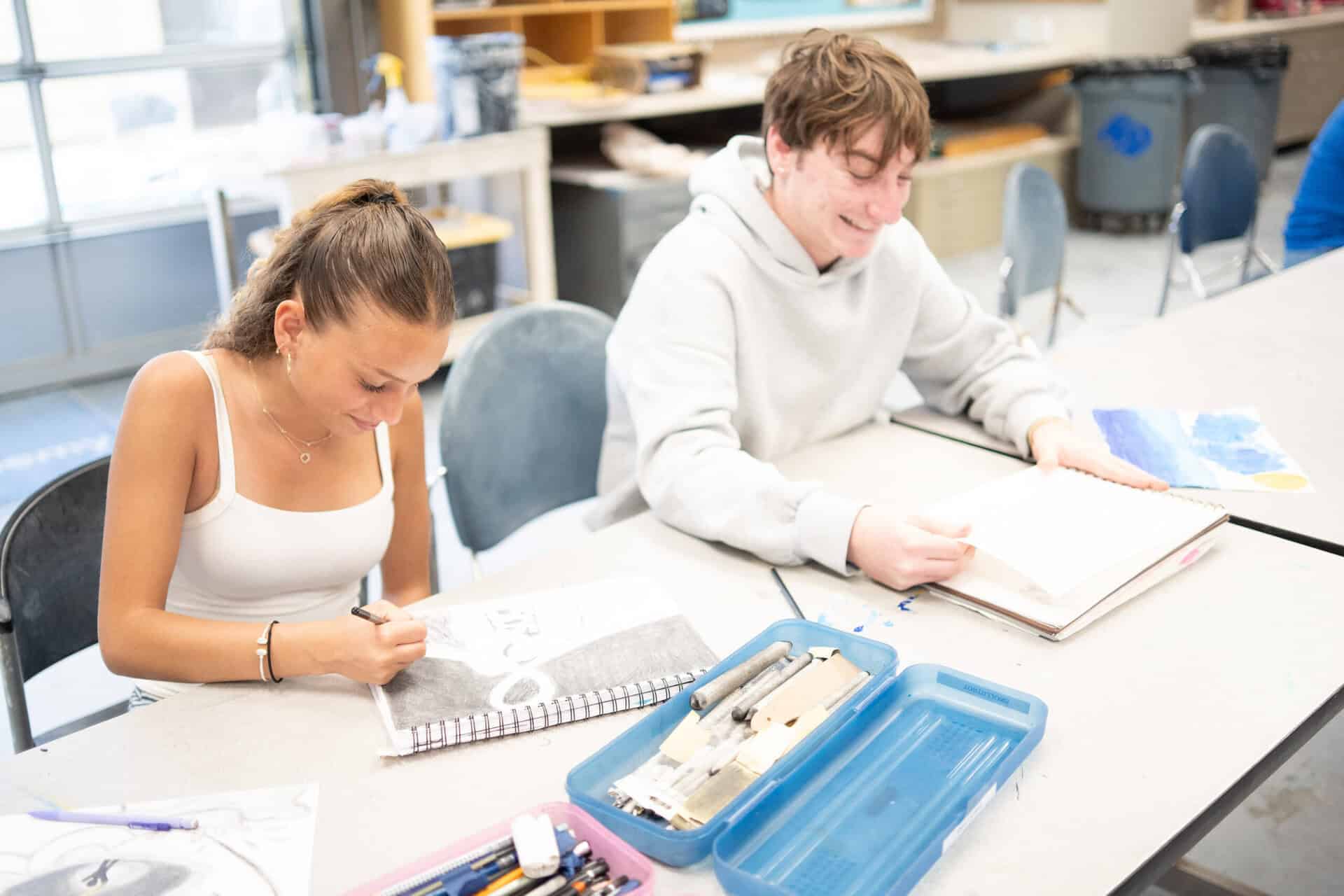
Visual Arts at SDJA encourages students to experiment, create, and express their perspectives through a wide range of media. Students work across disciplines including drawing, painting, ceramics, digital art, and design, developing both technical skill and artistic voice.
Courses emphasize the full creative process—from concept and experimentation to critique and refinement—while integrating art history and contemporary practice. Student work is regularly showcased through exhibitions, publications, and competitions.

Elizabeth Nebo
Media & Visual Arts Teacher
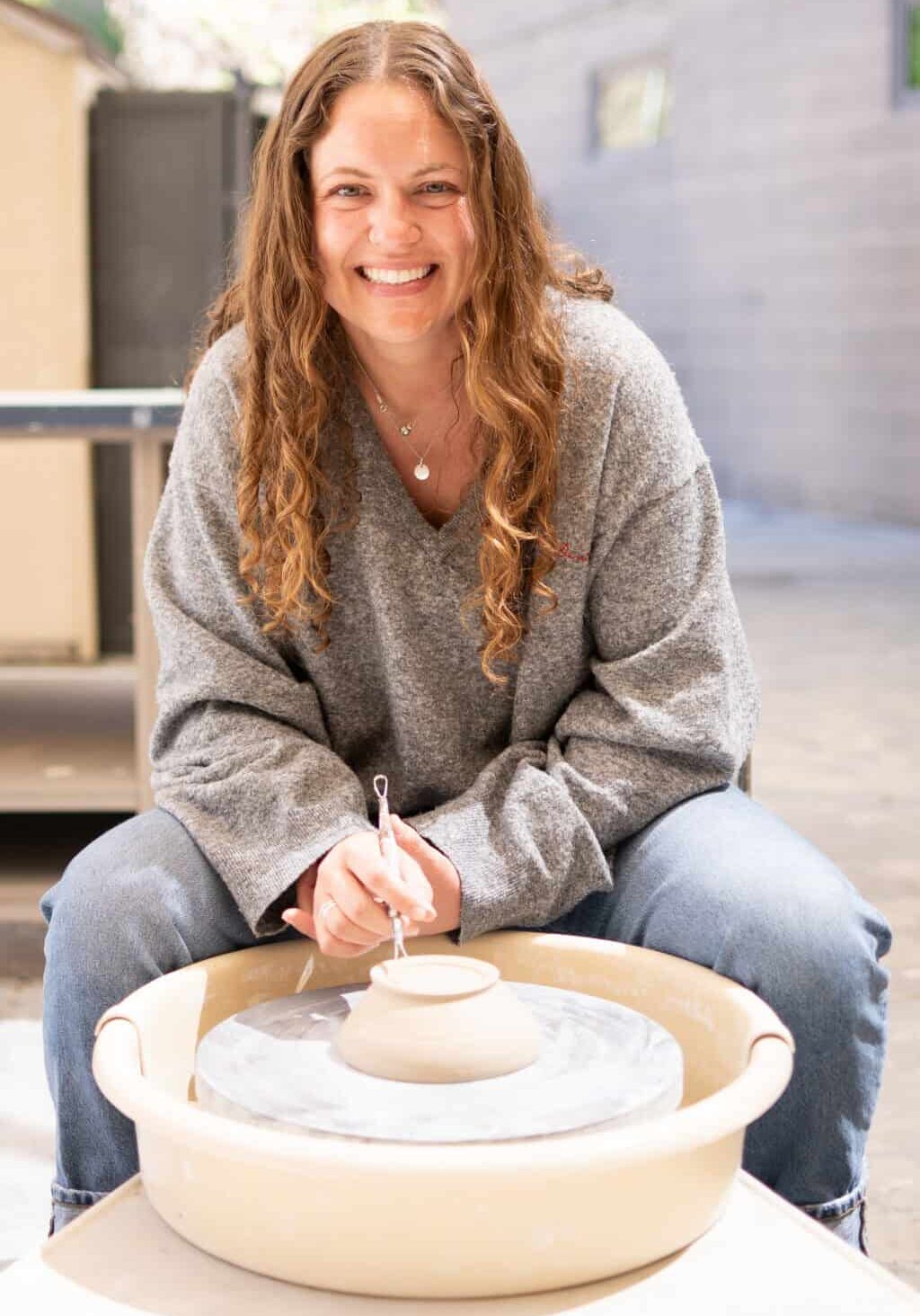
Elizabeth Nebo brings a strong academic and artistic background to SDJA, with a degree in art, a teaching credential, and a master’s in Art Education from Boston University. She teaches a wide range of courses, from ceramics and digital art to AP Art & Design, creating opportunities for students at every level.
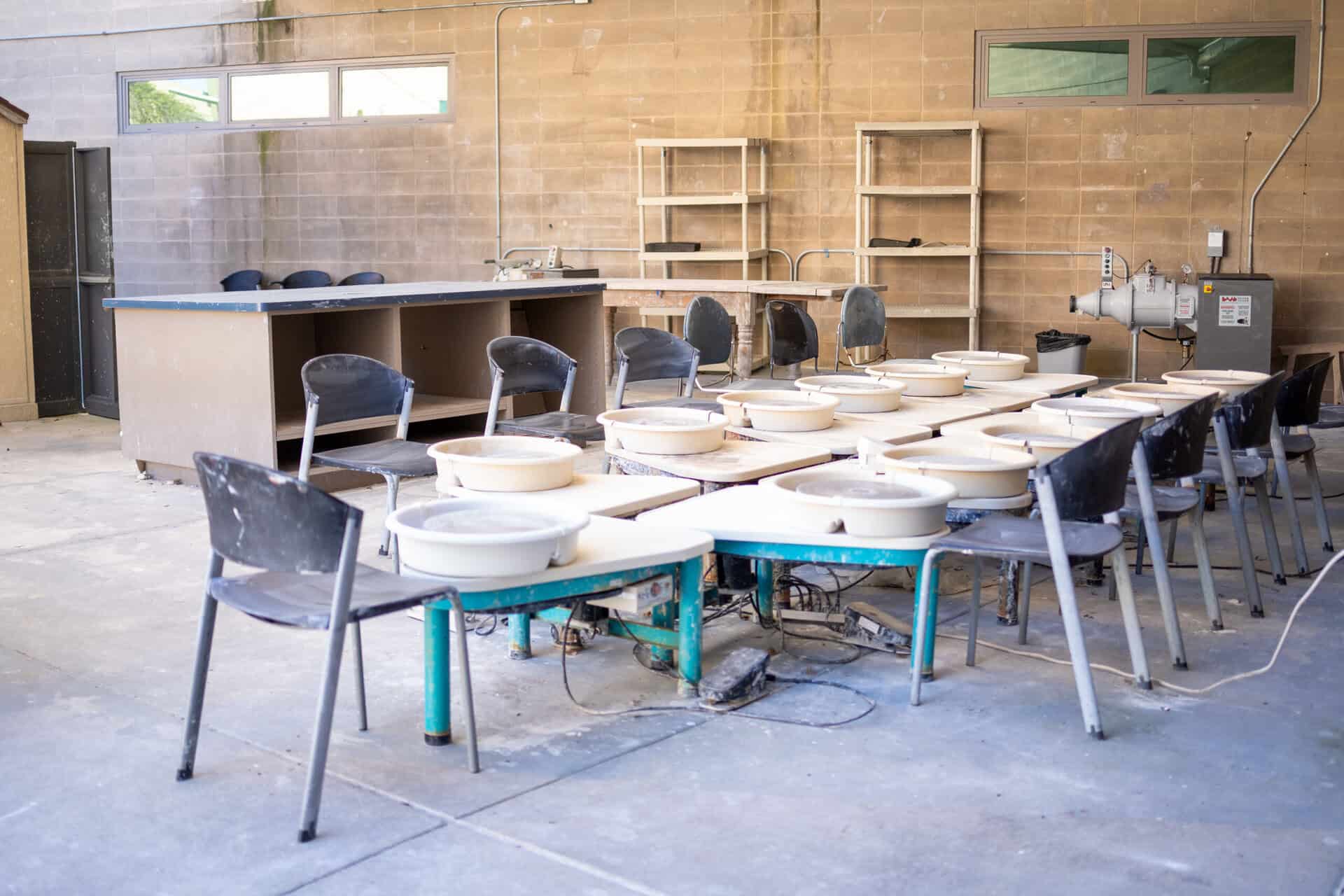
Her teaching emphasizes student voice, critical thinking, and hands-on exploration. With a personal passion for ceramics and pottery, she fosters a classroom environment where students feel empowered to take creative risks and express their identities through meaningful work.
“Art gives students a powerful way to express who they are and how they see the world.”
- Elizabeth Nebo
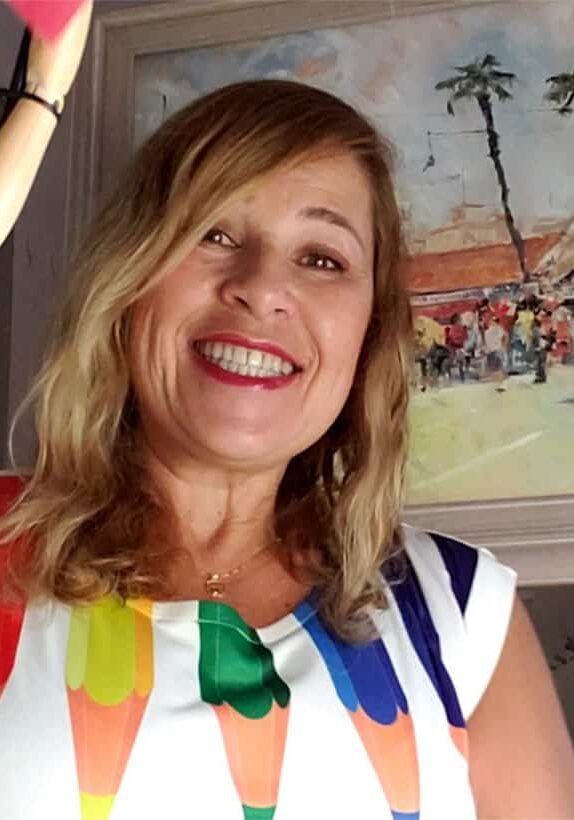
Victoria Polyak
Visual Arts Specialist, Lower School
Victoria Polyak is a professional artist and educator with a background in architecture and fine arts. Her work has been exhibited internationally, earning awards and recognition, and is held in private collections.
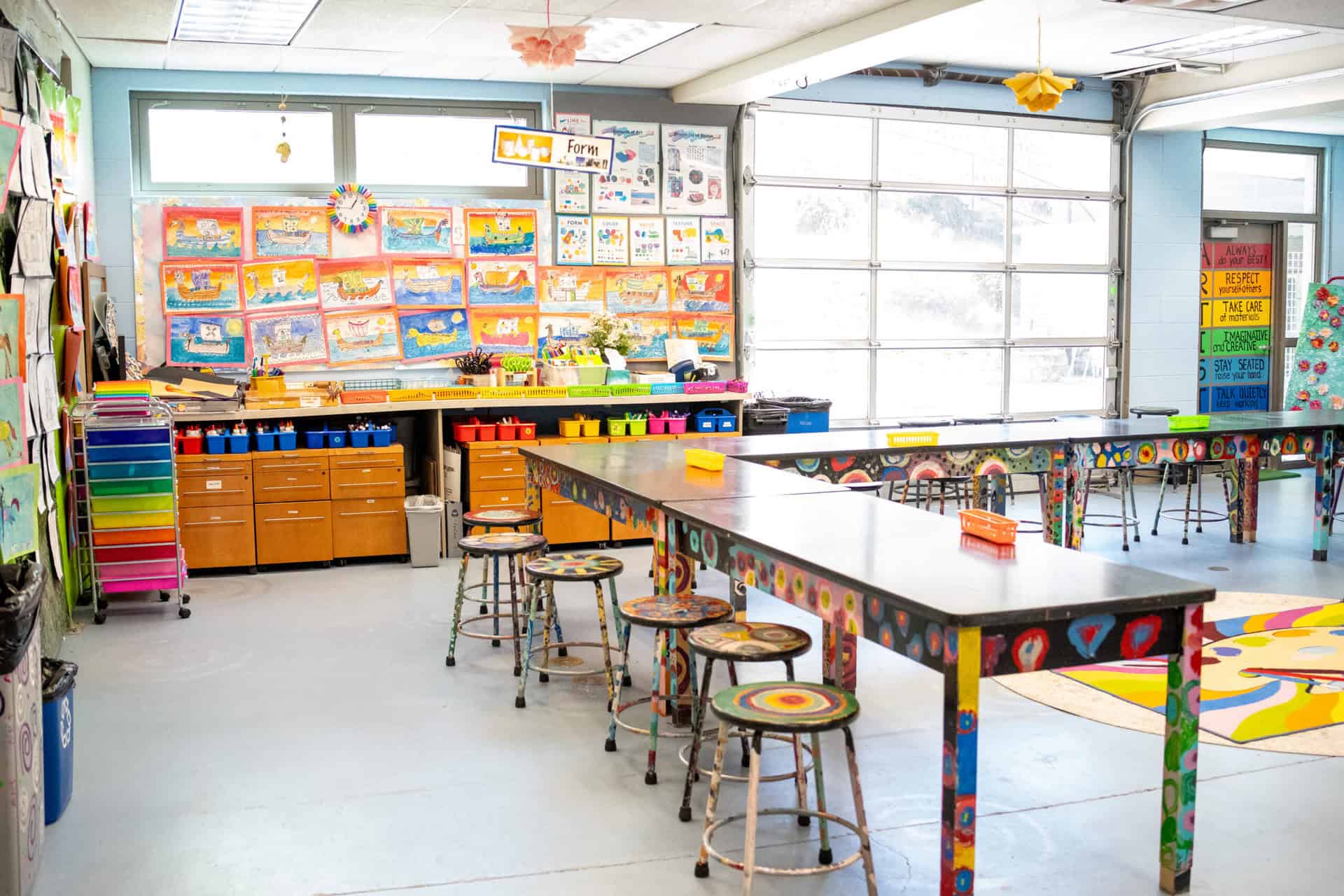
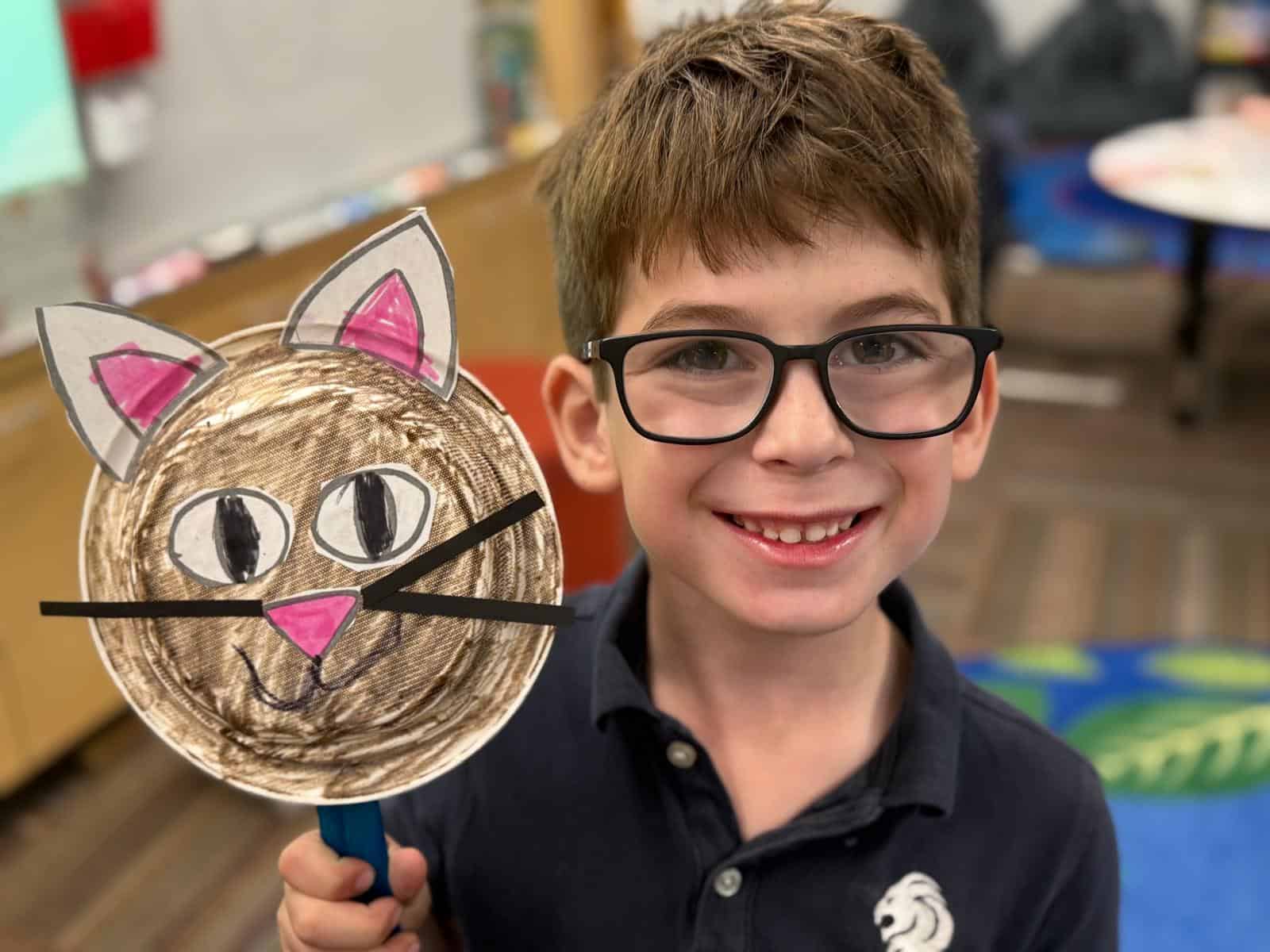
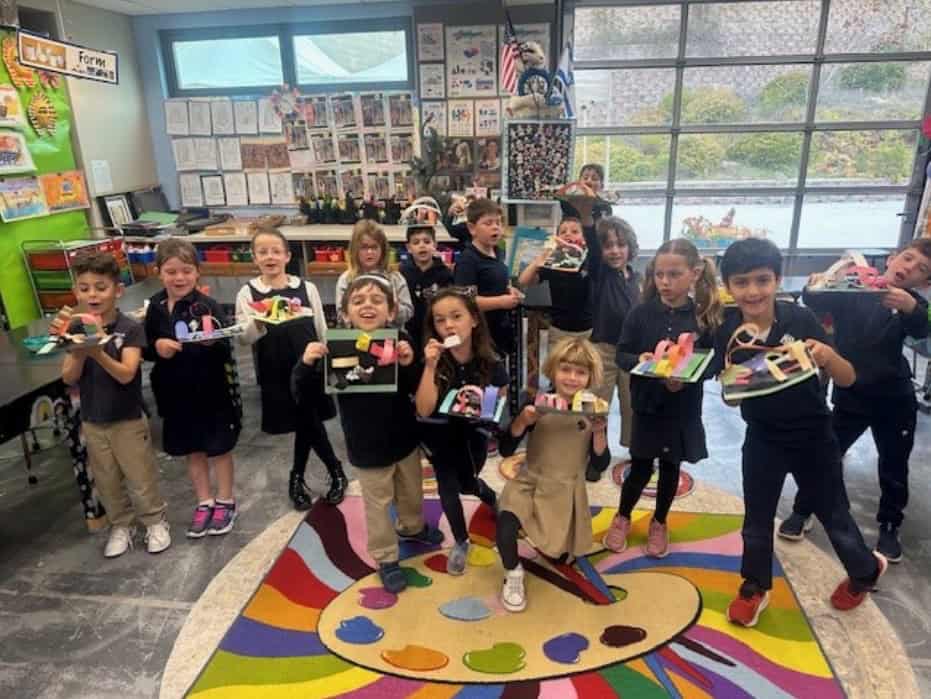
At SDJA, she leads a program that integrates art history, technique, and cross-disciplinary learning. Students explore a wide range of media while developing both technical skill and creative confidence. Her approach helps students see the world through an artistic lens—building observation, imagination, and self-expression from an early age.
“Every child has the ability to create. My goal is to help them see the world through an artist’s eyes.”
-Victoria Polyak
Venues
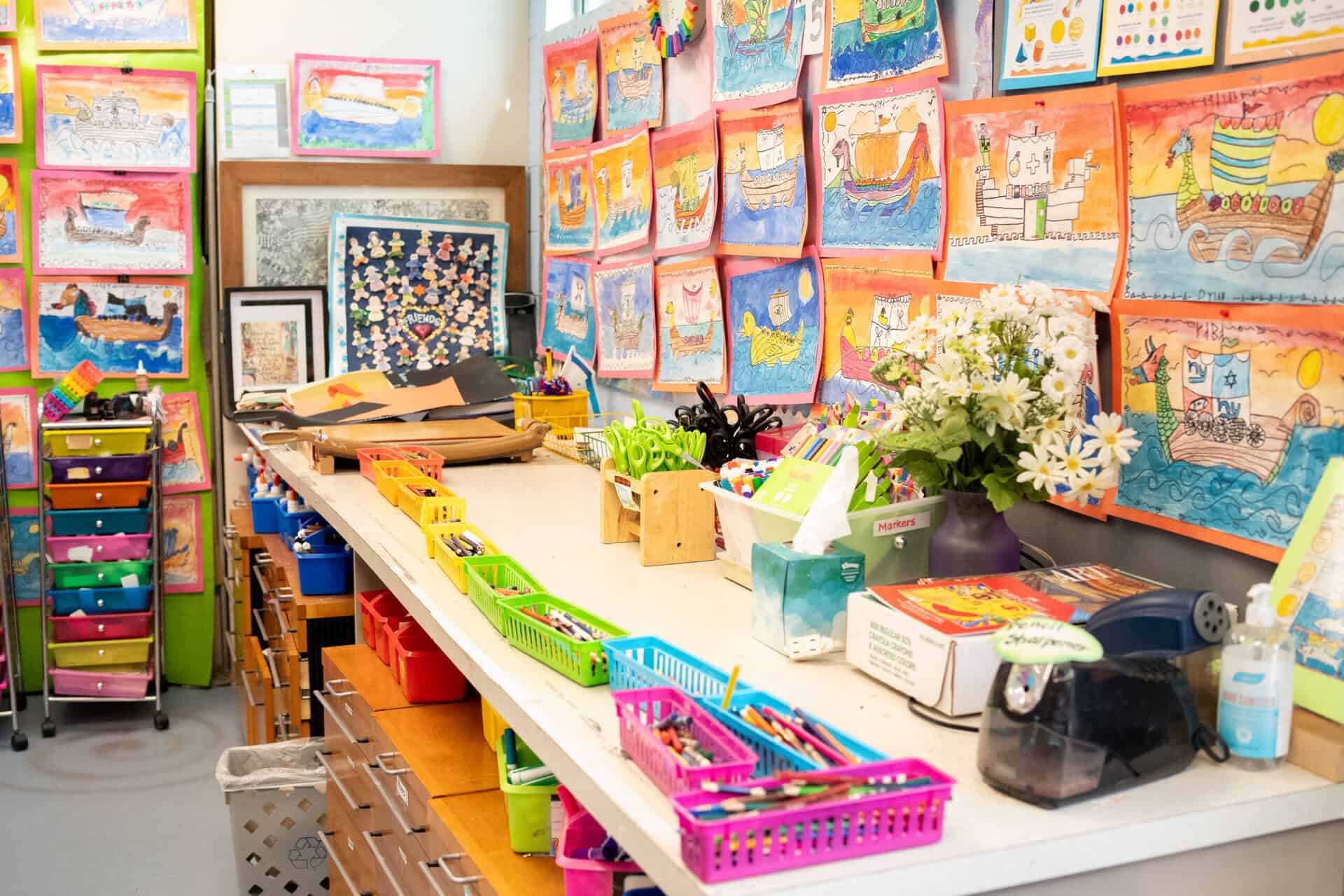

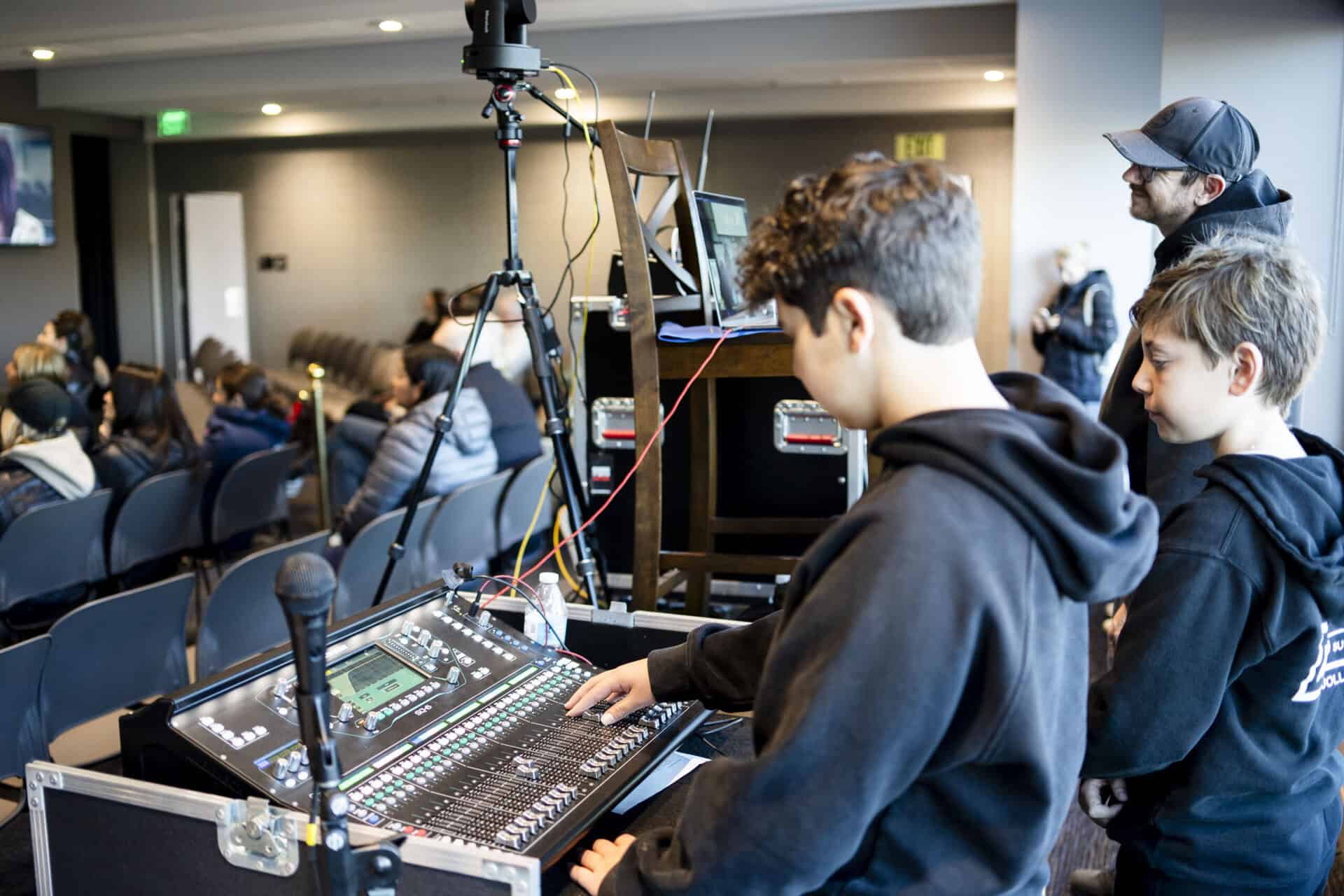
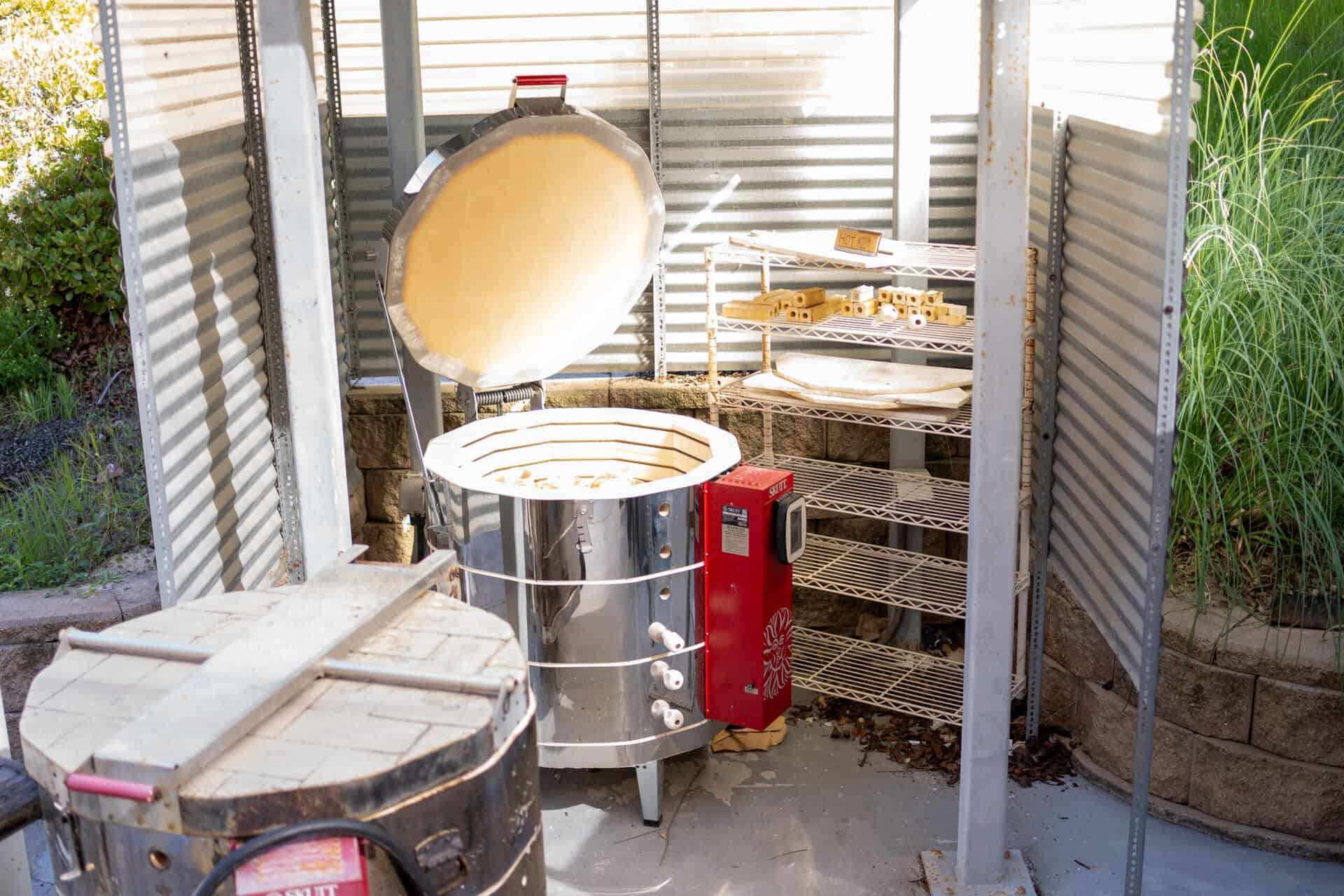
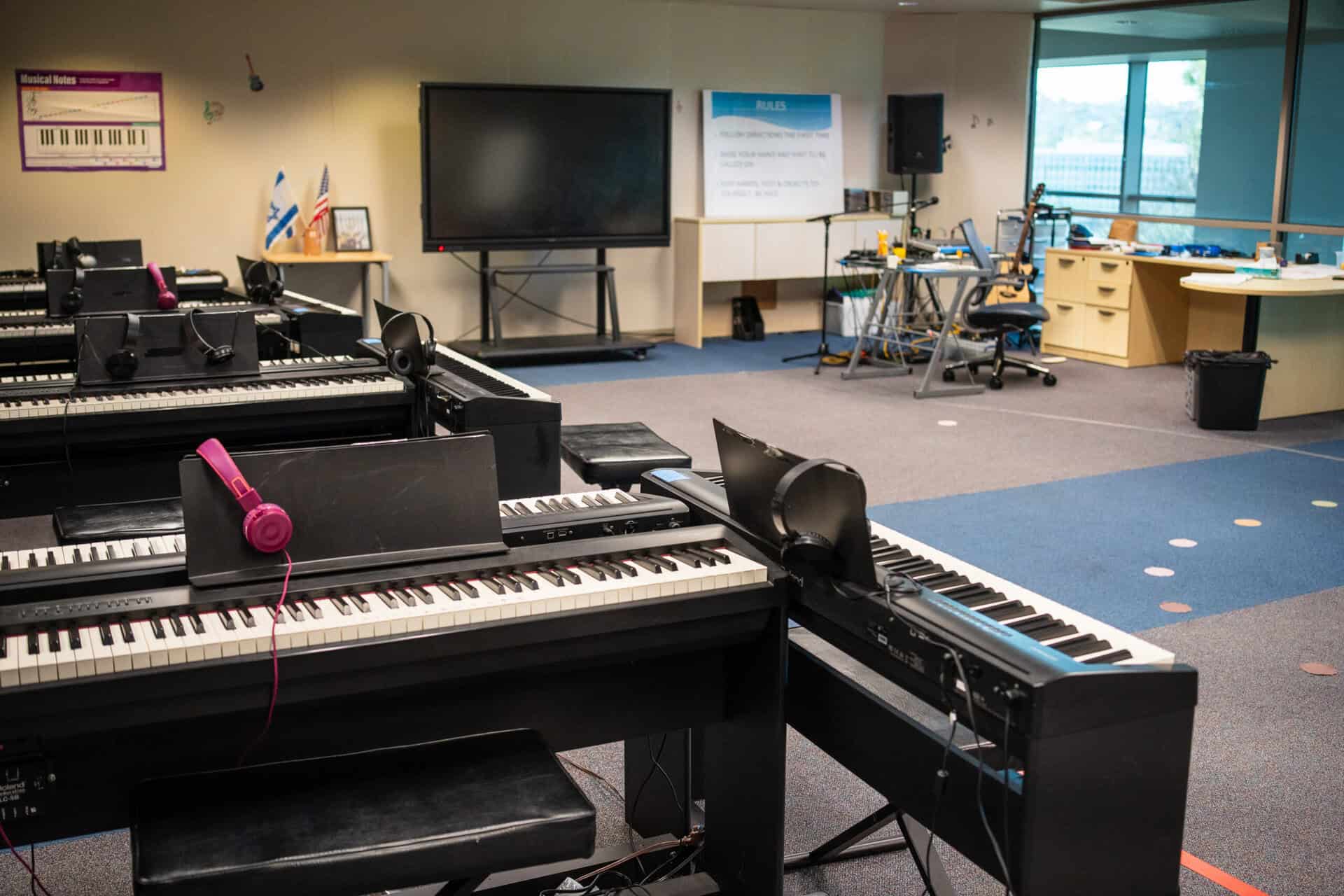
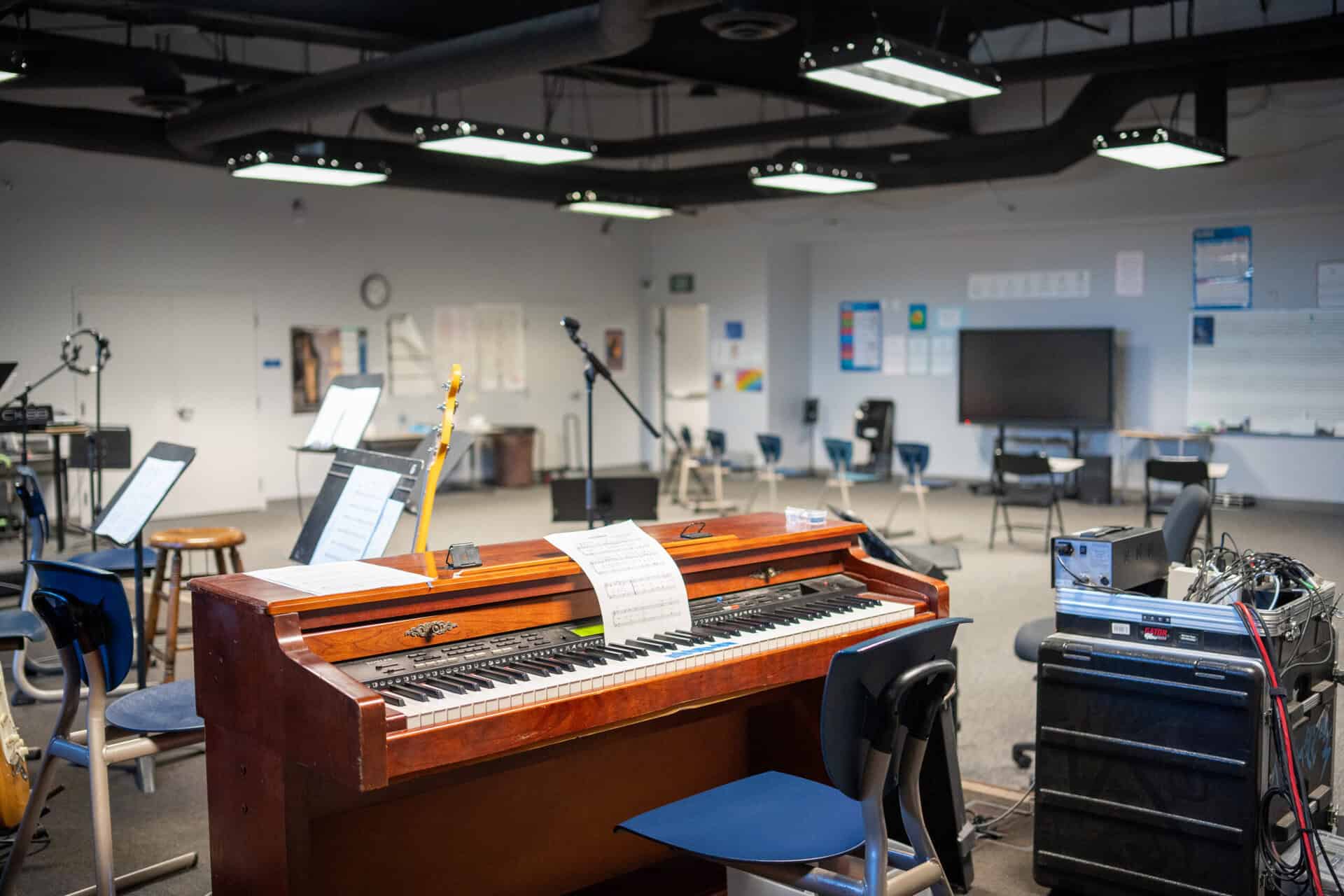
SDJA’s arts programs are supported by a range of dedicated, purpose-built spaces designed to inspire creativity, collaboration, and performance. Across campus, students have access to environments that support every stage of the creative process—from rehearsal and experimentation to production and presentation.
Students work in thoughtfully designed environments that mirror professional creative settings—from private practice rooms and adaptable studio spaces to open-air environments that invite experimentation and inspiration. Equipped with advanced production technology, our performance venues provide students with the opportunity to rehearse, refine, and present their work with the sophistication and expectations of a professional stage.
Ana “Janche” Galicot Performing Arts Auditorium (PAA)
At the center of this ecosystem is the PAA, a state-of-the-art performing arts facility featuring an auditorium, multi-purpose rooms, and advanced sound, lighting, and acoustics. Together with the surrounding rehearsal and support spaces, it enables students to experience the full arc of artistic production—from concept to performance—in a professional setting.
“Our spaces are designed to support the full creative journey—giving students the freedom to explore, create, and perform at the highest level.”
Course Offerings
SDJA’s visual and performing arts courses give students the opportunity to explore, create, and perform across a wide range of disciplines. Through hands-on, project-based learning, students develop technical skills, artistic voice, and creative confidence—while engaging in meaningful opportunities to showcase their work.
Middle School
In middle school, students explore the arts through a dynamic rotation of courses designed to build foundational skills and spark curiosity. Students engage in a variety of disciplines—including visual art, ceramics, digital art, instrumental music, and theatre—allowing them to experiment with different mediums and discover their interests.
Courses emphasize creativity through practice, collaboration, and performance, with opportunities to participate both on stage and behind the scenes.
High School
In high school, students deepen their artistic practice through specialized pathways in music, theatre, and visual arts. Offerings include instrumental and advanced music ensembles, theatre arts and production, ceramics, digital and studio art, and AP-level courses for students seeking advanced study.
Students engage in rigorous, hands-on learning that emphasizes technique, creative problem-solving, and critical thinking. Performances, exhibitions, and publications bring their work to life, while co-curricular experiences—including productions, tech team, and yearbook—extend learning beyond the classroom and foster leadership within the arts community.